
Introduction
When discussing special education, the term MOID special education often comes up. Parents, educators, and caregivers may hear it during individualized education program (IEP) meetings or while navigating school placement decisions. Yet, many are left asking, What is MOID, and how does it shape a child’s learning experience?
MOID stands for Moderate Intellectual Disability, a classification used in special education to describe students whose cognitive and adaptive functioning falls within a specific range. Understanding MOID is vital because it directly influences the educational supports, teaching strategies, and services a child receives. This knowledge empowers families and professionals to advocate for the right resources and ensure every child reaches their fullest potential.
In this article, we’ll explore what MOID really means, how it differs from other classifications, and why it plays such a key role in education planning.
What is MOID in Special Education?
MOID refers to a level of intellectual disability identified when a student demonstrates below-average intellectual functioning combined with limitations in adaptive behaviors. These challenges usually affect areas such as communication, daily living skills, and social participation.
Children receiving MOID special education services often learn differently and require more individualized support than their peers. This does not mean they cannot thrive academically or socially. Rather, it means their educational path needs adjustments designed around their strengths and needs.
Educators and psychologists use standardized assessments and developmental history to determine whether a student qualifies under the MOID category. Once identified, schools design targeted interventions that focus not only on academics but also on life skills.
Characteristics of Students with MOID
Students with MOID typically learn at a slower pace, and concepts often need to be repeated or broken into smaller steps. Their memory skills, reasoning abilities, and problem-solving approaches may differ from typical learners. Additionally, they may require significant support to build self-care and independence.
Social interactions can also present challenges, though many students with MOID enjoy connecting with peers. Teachers often emphasize social skill development to help them build friendships and confidence. Each child is unique, and the characteristics vary widely, which is why individualized education plans are essential.
MOID vs. Other Intellectual Disability Classifications
In special education, intellectual disabilities are often categorized by severity: mild, moderate, severe, and profound. MOID represents the moderate level. While students with mild intellectual disabilities may function closer to grade-level expectations, those with MOID require more intensive interventions.
For example, students with MOID might need adapted curriculum materials, hands-on learning opportunities, and smaller group instruction. Unlike severe or profound levels, many students with MOID can acquire academic and functional skills that allow them to participate in school and community life with proper support.
Educational Services for MOID
The heart of MOID special education lies in delivering services that align with the child’s unique needs. Instruction often focuses on a blend of academics, functional skills, and social-emotional development. Reading, writing, and math may be taught at modified levels, while equal emphasis is placed on teaching life skills such as money management, personal hygiene, or vocational training.
Speech therapy, occupational therapy, and behavioral supports may also be included. These services help students overcome barriers to learning and improve independence. Collaboration among teachers, specialists, and families ensures the child receives consistent support both in and outside the classroom.
Classroom Approaches for MOID
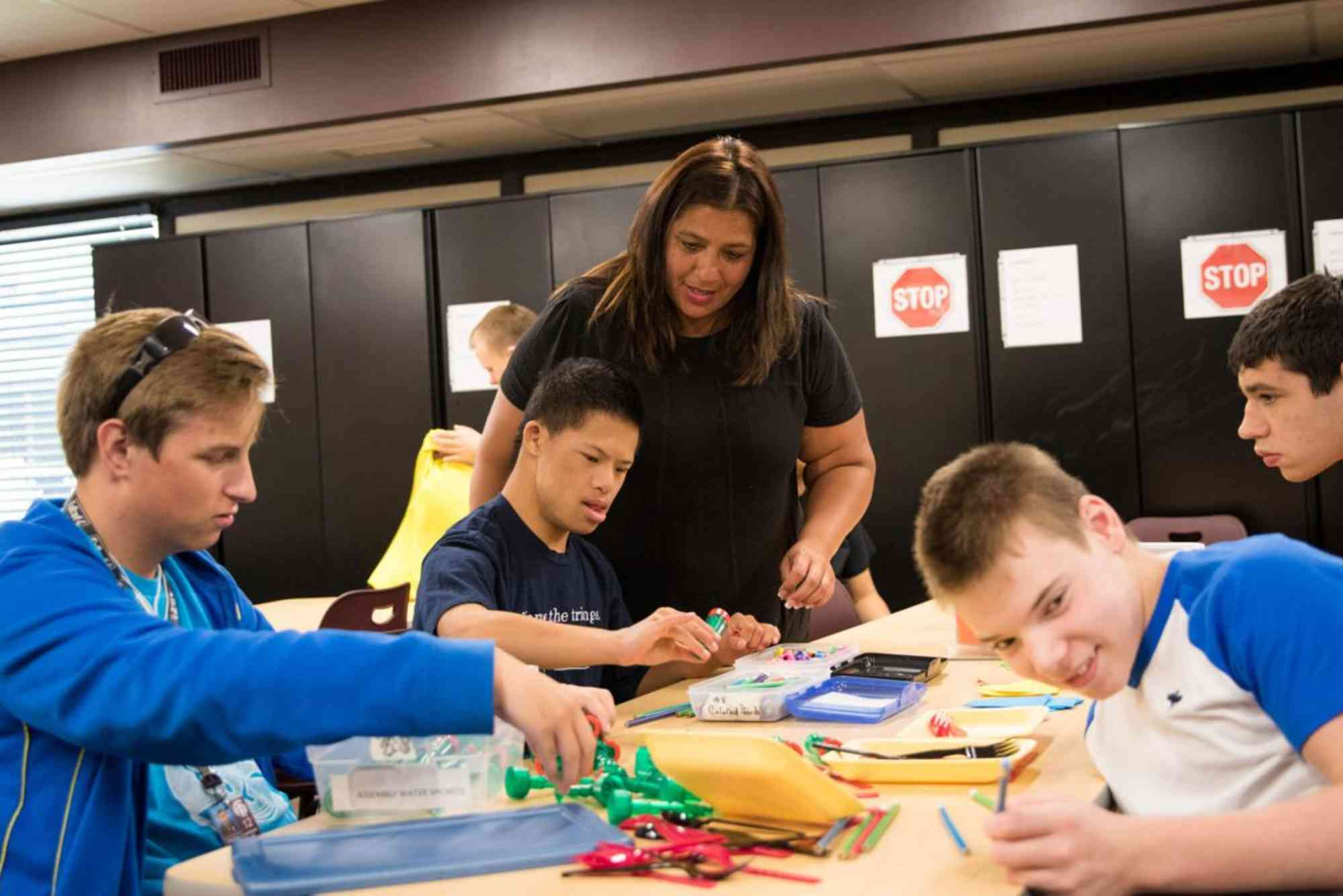
MOID classrooms usually feature smaller student-to-teacher ratios. This structure allows educators to provide individualized instruction and closer monitoring of progress. Lessons are often highly visual, hands-on, and interactive. Repetition, modeling, and positive reinforcement are common teaching strategies.
Technology plays a growing role in MOID special education. Assistive devices, specialized apps, and adaptive software can help students grasp concepts, communicate effectively, and practice skills independently. Teachers may also use functional activities—like cooking or shopping simulations—to connect learning with real-life scenarios.
Transition Planning and MOID
As students with MOID approach adolescence, schools focus heavily on transition planning. This process prepares them for adulthood by addressing career readiness, daily living skills, and community participation. A strong transition plan might include vocational training, internships, or partnerships with community organizations.
The goal is to ensure students graduate not only with academic knowledge but also with practical skills that support independence and employment. Families often play a crucial role in shaping these goals, helping educators understand long-term aspirations for the student.
The Importance of Early Identification
Early identification of MOID is key to maximizing outcomes. When students receive interventions at a younger age, they build foundational skills that make future learning smoother. Families noticing developmental delays are encouraged to seek evaluations early, since timely support can make a significant difference.
Early services may include speech therapy, occupational therapy, or early childhood special education programs. These interventions set the stage for later success in both academics and social development.
Challenges Families Face
Families navigating MOID special education may encounter challenges, including understanding complex terminology, advocating for appropriate services, and managing emotional stress. The educational system can feel overwhelming, especially during IEP meetings where decisions about placement and supports are made.
Support networks—whether parent groups, advocacy organizations, or counseling services—are essential in helping families feel empowered. Educators also play a vital role by providing clear communication and fostering trust. When families and schools work as a team, students experience more consistent and effective support.
Why MOID Special Education Matters
MOID special education ensures that children with moderate intellectual disabilities are not left behind. Without tailored instruction, these students risk disengagement and underachievement. With the right supports, however, they can make steady progress, develop valuable life skills, and enjoy meaningful relationships.
It’s not about lowering expectations but about meeting students where they are and guiding them forward. When education is adapted to their pace and style, students thrive academically, socially, and emotionally.
Frequently Asked Questions
What does MOID mean in school?
MOID in school refers to Moderate Intellectual Disability, a classification for students who need individualized instruction and support due to cognitive and adaptive challenges.
How is MOID different from mild intellectual disability?
Mild intellectual disability usually involves fewer learning delays, while MOID requires more intensive, adapted instruction and support across multiple areas.
Can students with MOID graduate high school?
Yes. Many students with MOID graduate with modified diplomas or certificates of completion, often accompanied by transition plans focusing on life skills and employment.
What kind of jobs can students with MOID pursue?
With vocational training and community support, students with MOID may pursue roles in food service, retail, custodial work, or supported employment programs tailored to their abilities.
How can parents support a child with MOID?
Parents can support their child by engaging with IEP teams, practicing daily living skills at home, encouraging social opportunities, and seeking advocacy or support groups.
MOID special education is not just a label—it’s a pathway to opportunity. By recognizing the unique strengths and needs of students with moderate intellectual disabilities, schools can design programs that foster growth, independence, and self-confidence. Families play an equally important role by advocating, supporting, and celebrating every milestone along the way.