
Saudi Arabia has made significant progress in healthcare over the past few decades. From enhanced medical infrastructure to improved access to services, the Kingdom has advanced rapidly. However, public health issues in Saudi Arabia continue to challenge the system’s sustainability, efficiency, and equity.
Understanding these issues is essential not only for policymakers but also for the general public. By identifying the causes and consequences of these challenges, we can work toward a healthier future.
The Evolving Healthcare Landscape
Saudi Arabia’s healthcare system has undergone major reforms under Vision 2030. While many improvements have been made, several public health issues persist.
Demographic Shifts and Population Growth
One of the most significant factors contributing to public health issues in Saudi Arabia is its rapidly growing and youthful population. Simultaneously, life expectancy has increased, leading to an aging population that requires long-term care services. This dual challenge puts a strain on healthcare resources.
Urbanization and Lifestyle Changes
As urban centers grow, sedentary lifestyles and unhealthy dietary habits are becoming more common. These changes have led to a surge in non-communicable diseases (NCDs) such as obesity, diabetes, and cardiovascular conditions.
Major Public Health Issues in Saudi Arabia
Obesity and Overweight
Obesity rates in Saudi Arabia are among the highest globally. Sedentary behavior, processed food consumption, and lack of physical activity are driving this epidemic.
Consequences of Obesity
Obesity leads to increased risks of heart disease, type 2 diabetes, certain cancers, and musculoskeletal disorders. It also burdens the healthcare system with chronic disease management.
Diabetes Prevalence
Diabetes is one of the most pressing public health issues in Saudi Arabia. According to the International Diabetes Federation, around 18% of adults in the Kingdom are living with diabetes.
Preventive Measures
The government is encouraging lifestyle changes through awareness campaigns, fitness programs, and dietary guidelines. However, more community-based interventions are needed for long-term success.
Cardiovascular Diseases
Heart-related conditions are the leading cause of death in the Kingdom. Risk factors include high cholesterol, smoking, and poor diet—many of which are preventable with early education and regular screenings.
Smoking and Tobacco Use
Smoking remains a widespread issue, particularly among the youth. Shisha (waterpipe) smoking is culturally embedded and often mistakenly perceived as less harmful.
Government Action
Saudi Arabia has taken steps to combat tobacco use, including public smoking bans, taxation, and health warnings on cigarette packaging. These policies show promise but need stronger enforcement and education.
Mental Health Challenges
Mental health has historically been a taboo subject in Saudi society. However, it’s now recognized as one of the critical public health issues in Saudi Arabia.
Rising Awareness and Services
Recent years have seen progress in destigmatizing mental illness. More mental health clinics and services are available, but accessibility remains limited in rural areas.
Infectious Diseases: Past and Present
Saudi Arabia’s role as the host of the annual Hajj pilgrimage presents unique public health concerns. Millions gather in a confined space, increasing the risk of disease outbreaks.
COVID-19 and Its Impact
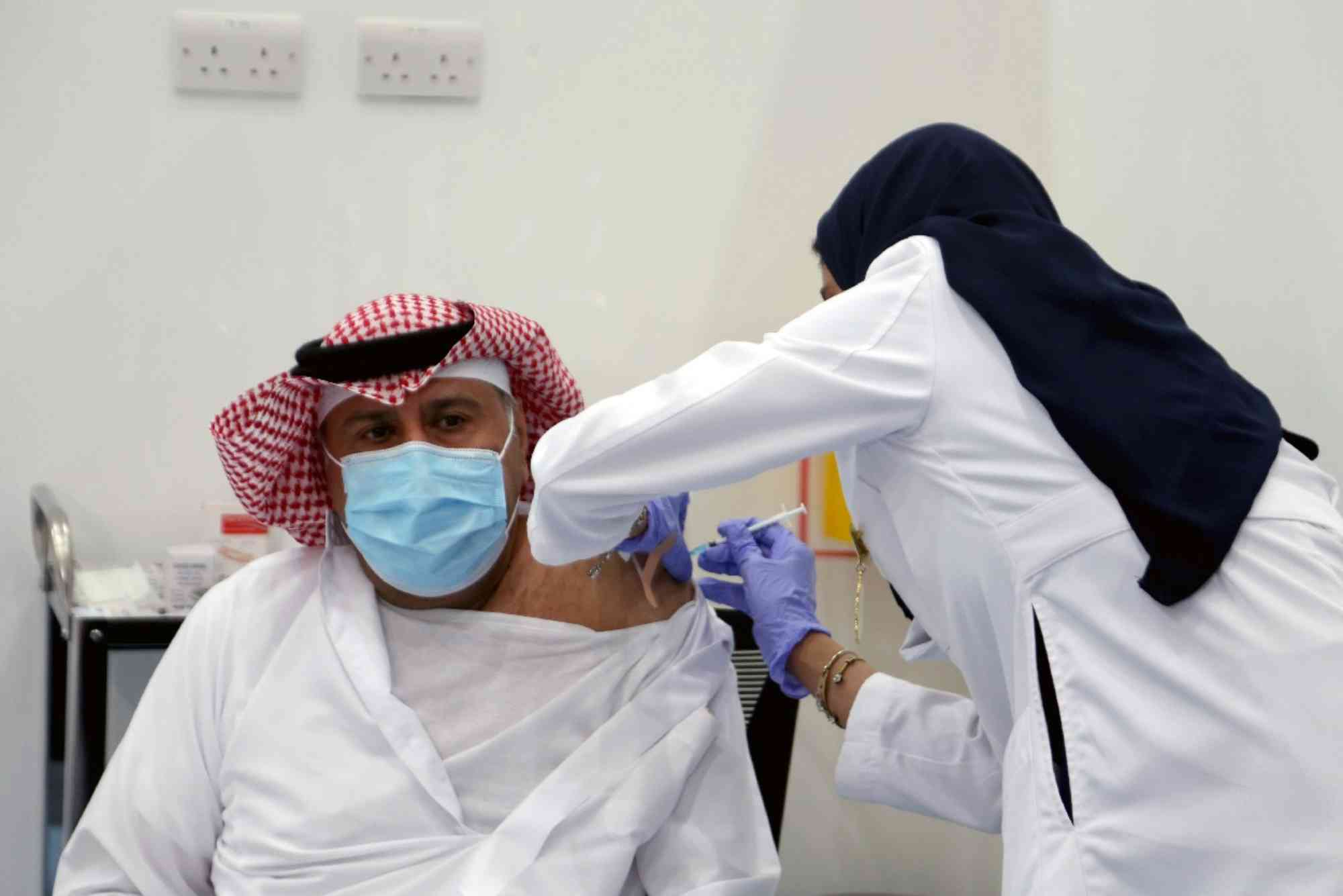
The pandemic tested Saudi Arabia’s public health infrastructure. The country responded swiftly with mass testing, strict lockdowns, and an effective vaccination campaign.
Hajj Health Protocols
Infectious disease control during Hajj includes pre-travel vaccinations, quarantine protocols, and real-time disease monitoring. These efforts help reduce the spread of infections during and after the pilgrimage.
Environmental and Occupational Health Concerns
Air Pollution and Respiratory Health
Urban expansion and industrialization have led to increased air pollution in cities like Riyadh and Jeddah. This contributes to respiratory illnesses and other chronic conditions.
Occupational Hazards
Workers in construction, oil, and mining industries are exposed to physical, chemical, and ergonomic risks. Ensuring compliance with occupational health standards is key to reducing work-related diseases.
Maternal and Child Health
Saudi Arabia has improved maternal and child health outcomes in recent decades. However, challenges remain, especially in prenatal care and infant nutrition.
Breastfeeding and Early Nutrition
Exclusive breastfeeding rates are low despite its well-documented benefits. Public awareness campaigns and hospital support can help reverse this trend.
Healthcare Access and Equity
Urban-Rural Disparities
Residents of remote areas often have limited access to specialized medical services. Mobile clinics and telemedicine are being introduced to bridge this gap.
Healthcare for Expats
Saudi Arabia’s large expatriate population faces barriers such as language and insurance restrictions. Public health efforts must include this demographic to ensure equity.
Public Health Policy and Government Initiatives
Saudi Arabia’s Ministry of Health has launched numerous programs to tackle public health issues. The Saudi Public Health Authority (Weqaya) focuses on disease prevention, health education, and research.
Vision 2030’s Role
Vision 2030 aims to restructure the healthcare system to make it more efficient, preventive, and patient-centered. Emphasis is being placed on:
- Digitizing healthcare records
- Promoting healthy lifestyles
- Strengthening primary healthcare services
These initiatives indicate strong political will to address current challenges.
Future Directions for Public Health in Saudi Arabia
Emphasis on Preventive Care
Moving from treatment to prevention is crucial. This shift requires stronger primary care, health screenings, and public education.
Technological Integration
AI, big data, and wearable tech are being used to monitor and predict public health trends. This tech-driven approach enhances early intervention and personalized care.
Education and Community Engagement
Health education in schools and community centers plays a pivotal role. Engaging local communities helps normalize healthy behaviors and reduces stigma around topics like mental health and chronic illness.
A Call to Collective Action
Addressing public health issues in Saudi Arabia requires a united effort. The government, healthcare providers, private sector, and individuals must all contribute.
As a resident or policymaker, you can help by:
- Promoting healthy lifestyles
- Supporting mental health awareness
- Advocating for equitable access
Frequently Asked Questions
What are the top public health issues in Saudi Arabia?
The most pressing issues include obesity, diabetes, cardiovascular diseases, mental health, and smoking.
Why is obesity a major concern in Saudi Arabia?
High-calorie diets, sedentary lifestyles, and lack of physical activity contribute to the obesity epidemic in the Kingdom.
How does the government address public health challenges?
Through Vision 2030, Saudi Arabia is promoting preventive care, launching awareness campaigns, and expanding healthcare services.
Is mental health care accessible in Saudi Arabia?
Mental health services are growing, but challenges remain in terms of access and social stigma, especially in rural areas.
What role does Vision 2030 play in public health?
Vision 2030 focuses on transforming healthcare into a preventive, efficient, and tech-driven system, supporting long-term public health goals.