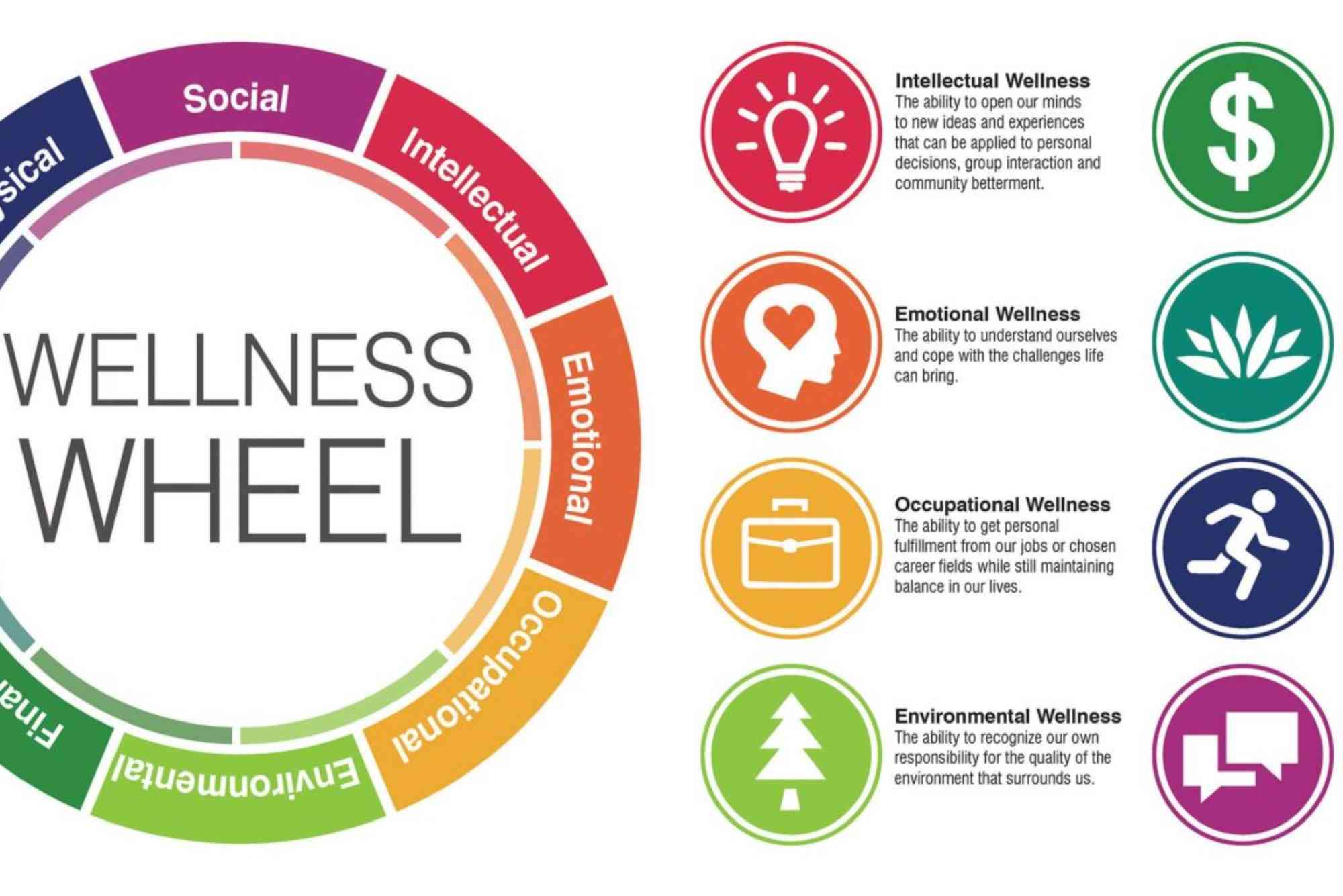
Public health systems are complex, but tools like the public health wheel simplify the big picture. This model helps professionals systematically address population health needs. By offering a clear framework, it supports better planning, implementation, and evaluation of public health services.
Whether you’re a student, health worker, or policymaker, understanding the public health wheel is essential for effective community health strategies. In this guide, we explore what it is, how it’s structured, and how it’s applied in real-world scenarios.
What Is the Public Health Wheel?
The public health wheel—also known as the Intervention Wheel—is a conceptual framework used to define public health nursing practice. Originally developed by the Minnesota Department of Health, it outlines 17 public health interventions organized around three core practice levels: individual/family, community, and systems.
The wheel offers a standardized approach to public health practice, ensuring consistency, effectiveness, and clarity across different settings. It’s often used in public health education, workforce training, and strategic planning.
Origin and Purpose
Developed in the 1990s, the public health wheel aimed to standardize how public health nurses describe and carry out their work. The idea was to create a common language across states and communities.
Today, it extends beyond nursing and helps various health professionals identify effective public health interventions across populations and settings.
Key Components of the Public Health Wheel
The public health wheel is made up of 17 intervention strategies that fall into three key practice levels. These levels help define how and where the interventions are applied.
Levels of Practice
Each intervention in the public health wheel can occur at one or more of the following levels:
- Individual/Family: Focuses on individuals and families, offering tailored health services or education.
- Community: Aims to improve population health through outreach and social engagement.
- Systems: Targets policies, laws, or organizations that influence health outcomes on a broader scale.
Understanding these levels helps professionals decide the most effective strategies for specific health goals.
The 17 Public Health Interventions
While we won’t list them all individually, these interventions cover areas such as disease surveillance, policy development, health education, outreach, and community organizing. Together, they provide a comprehensive toolkit for public health professionals.
These interventions are color-coded in the visual wheel to distinguish categories like red for case management and blue for coalition building, making it easy to interpret at a glance.
How the Public Health Wheel Is Used in Practice
The public health wheel is not just theoretical—it’s used across many domains to guide planning and implementation. From infectious disease control to maternal health programs, this model helps professionals align actions with outcomes.
In Public Health Nursing
One of the most common uses is in public health nursing. Nurses apply the wheel to assess community needs, develop health programs, and evaluate outcomes. For example, in a vaccination campaign, nurses might use education, outreach, and surveillance—all part of the wheel.
In Community Health Programs
Local health departments often rely on the public health wheel when designing interventions for chronic diseases, mental health support, or substance abuse prevention. The wheel ensures that each step is grounded in evidence-based practice.
In Academic and Training Programs
Many universities and public health training programs include the public health wheel in their curriculum. It provides students with a practical framework for understanding how to implement public health principles in real-life settings.
Benefits of Using the Public Health Wheel
Implementing the public health wheel offers several strategic advantages:
Standardization
It creates a shared language among public health professionals. This standardization makes collaboration across departments and regions much easier.
Evidence-Based Decision Making
Each intervention is grounded in evidence, ensuring practices are effective and replicable.
Holistic Approach
The wheel encourages professionals to consider multiple angles—from individual behaviors to policy systems—when planning public health efforts.
Flexibility and Scalability
Whether you’re running a neighborhood health fair or shaping national policy, the wheel adapts to various scopes and scales of practice.
Real-World Example: Tackling Childhood Obesity
Let’s say a city health department wants to reduce childhood obesity rates. Using the public health wheel, they might take the following steps:
- Individual Level: Provide nutrition counseling to families.
- Community Level: Organize after-school activity programs and cooking workshops.
- Systems Level: Work with schools to revise meal plans and lobby for healthier food policies.
Each of these efforts is grounded in one or more of the wheel’s 17 interventions, showing how a single health issue can be addressed at multiple levels.
Challenges and Limitations
Like any framework, the public health wheel has its limits.
It requires ongoing training to be used effectively. Newcomers may find it overwhelming without proper guidance. Additionally, while it promotes evidence-based practices, it may not always be flexible enough to capture emerging health needs or innovative practices not yet validated by research.
Still, it remains one of the most reliable tools in public health planning today.
Why the Public Health Wheel Still Matters Today
In the face of global health crises like COVID-19 or climate change-related illnesses, we need clear frameworks more than ever. The public health wheel offers structure in chaos, allowing health systems to respond quickly and effectively.
It brings together policy, education, and community engagement—all crucial elements for modern public health.
Frequently Asked Questions (FAQs)
What is the public health wheel in nursing?
The public health wheel in nursing is a framework that guides how nurses implement public health interventions at the individual, community, and systems levels.
How is the public health intervention wheel used?
It’s used to plan, execute, and evaluate public health actions, ensuring they are consistent and evidence-based across various settings.
Why is the public health wheel important?
It standardizes practices, improves collaboration, and ensures interventions are grounded in research, making public health strategies more effective.
What are the components of the public health wheel?
The wheel includes 17 interventions grouped under three practice levels: individual/family, community, and systems. These guide decision-making in health programs.
Is the public health wheel still relevant today?
Yes. Its structured approach is widely used in current public health efforts, including responses to emerging health crises like pandemics or climate-related challenges.
Using the Public Health Wheel for Impact
The public health wheel remains a cornerstone of effective public health practice. Whether addressing chronic illness, infectious disease, or health disparities, this tool provides a structured and evidence-based way to make a difference.