
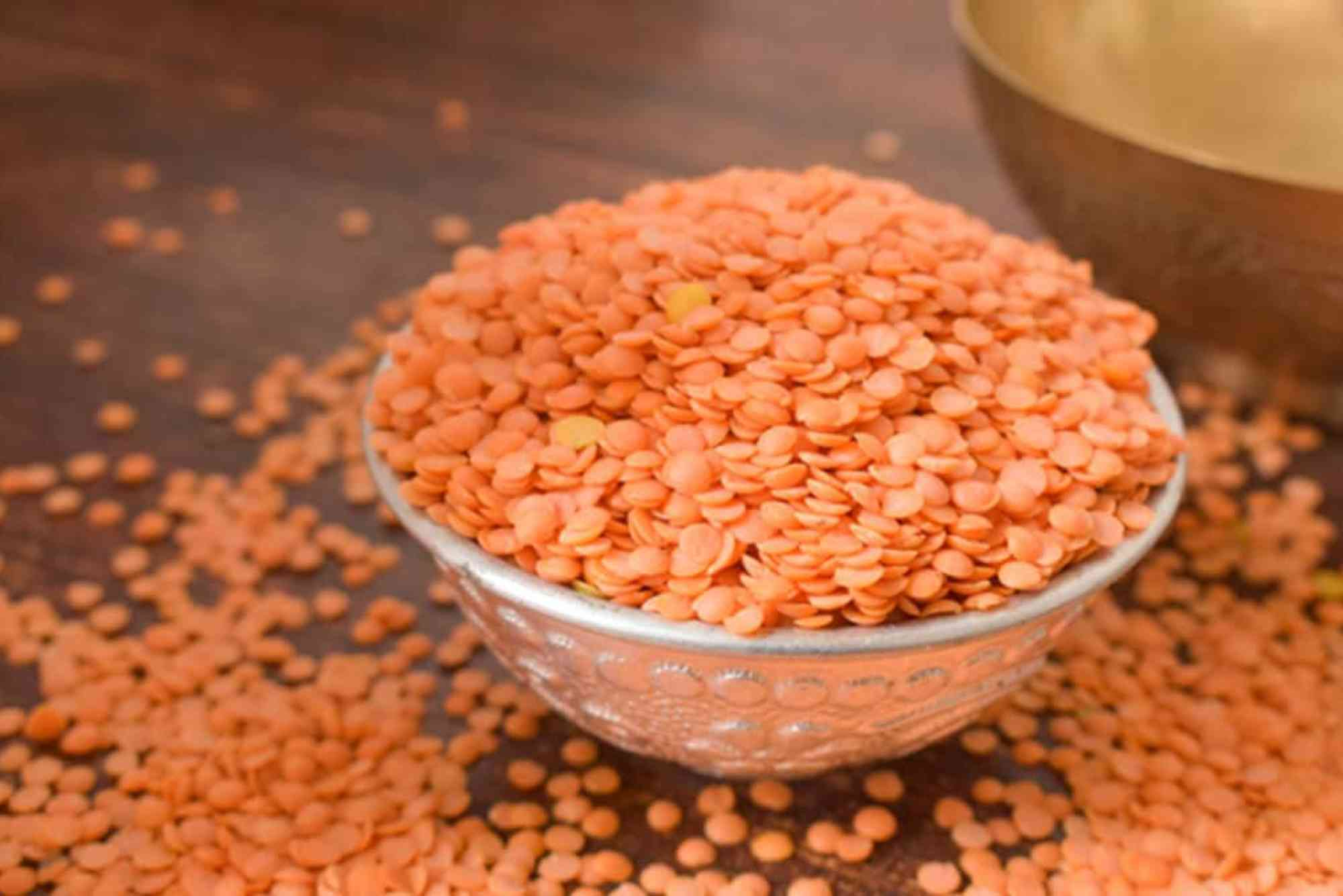
Red lentils are more than just a pantry staple in many kitchens. These tiny, orange-hued legumes are nutritional powerhouses that offer a wide range of health benefits. From boosting heart health to supporting digestion, the red lentils health benefits are genuinely surprising — and science-backed. Whether you’re a vegetarian, health-conscious eater, or just looking to diversify your meals, understanding why red lentils deserve a place on your plate can transform the way you think about this humble ingredient.
In this article, we’ll explore the lesser-known health benefits of red lentils, how they support various aspects of your body, and why they’re a must-have in any balanced diet.
Why Red Lentils Deserve Attention
When most people think of protein, meat or dairy might come to mind first. But red lentils are a plant-based source of protein that offers a complete profile of nutrients. They’re rich in essential vitamins, minerals, fiber, and antioxidants—all without cholesterol or saturated fat.
What sets red lentils apart from other lentil types is their quick cooking time and mild flavor. This makes them a convenient and accessible option for busy individuals who want to eat healthily without sacrificing time or taste.
Red Lentils Health Benefits: What Science Says
Heart Health Support
Red lentils contain no cholesterol and are low in saturated fats. Their high fiber content helps lower LDL (bad cholesterol) levels, which can reduce the risk of heart disease.
Soluble Fiber and Cholesterol
Soluble fiber forms a gel-like substance in the gut, which binds to cholesterol and helps the body remove it. This function plays a vital role in managing blood lipid levels naturally.
Potassium and Blood Pressure
Potassium is another crucial nutrient found in red lentils. It helps balance sodium levels in the body, aiding in blood pressure regulation and cardiovascular health.
Gut Health and Digestion
A well-functioning digestive system is key to overall health. Red lentils contribute to gut health in several meaningful ways.
Rich in Dietary Fiber
The high fiber content in red lentils aids regular bowel movements and prevents constipation. It also acts as a prebiotic, feeding beneficial gut bacteria.
Easy to Digest
Compared to other legumes, red lentils are easier on the digestive system. When cooked well, they rarely cause bloating or gas, making them a great option for those with sensitive stomachs.
Blood Sugar Regulation
One of the lesser-known red lentils health benefits is their positive effect on blood sugar levels.
Low Glycemic Index
Red lentils have a low glycemic index (GI), meaning they release glucose slowly into the bloodstream. This helps prevent spikes and crashes in blood sugar, making them ideal for people with diabetes or those at risk.
Protein and Fiber Synergy
The combination of protein and fiber further slows carbohydrate absorption, promoting stable energy levels throughout the day.
Weight Management Support
If you’re trying to manage your weight, red lentils are a smart choice. They’re low in calories but very filling.
Promotes Satiety
Thanks to their fiber and protein content, red lentils keep you feeling full longer. This reduces the likelihood of snacking between meals and helps control calorie intake.
Nutrient Density
Red lentils pack a lot of nutrients into a small portion. You get essential vitamins like folate, iron, and magnesium without loading up on calories.
Red Lentils and Brain Health
You might be surprised to learn that red lentils can support cognitive function and emotional well-being.
Rich in Folate
Folate is essential for brain development and the production of neurotransmitters. A deficiency can lead to mood disorders and impaired cognitive function.
Iron for Oxygen Transport
Iron is crucial for transporting oxygen to the brain. Red lentils are a great plant-based source of iron, especially for vegetarians who may be at risk of deficiency.
Immune System Boost
Eating red lentils regularly can give your immune system the support it needs.
Packed with Zinc and Selenium
These trace minerals are vital for immune response and antioxidant defense. Red lentils contain both in moderate amounts.
Vitamin B6 and Cellular Immunity
Vitamin B6 plays a role in immune cell production. Red lentils help meet your daily needs for this vitamin, supporting overall immune resilience.
Bone Health and Anti-Inflammatory Effects
Red lentils contribute to bone strength and may reduce inflammation markers.
Magnesium and Calcium Support
Magnesium in red lentils supports bone mineralization and muscle function. Though not rich in calcium, red lentils complement a bone-healthy diet.
Natural Anti-Inflammatory Compounds
Antioxidants and polyphenols found in red lentils help combat oxidative stress, which can reduce chronic inflammation in the body.
How to Incorporate Red Lentils Into Your Diet
Red lentils are incredibly versatile. You can use them in soups, stews, curries, and even baked goods. Because they cook faster than other legumes, they’re ideal for quick meals. Try blending them into sauces, tossing them into salads, or using them as a protein-rich thickener in your favorite recipes.
For the best results, rinse red lentils before cooking and simmer them with herbs and spices for added flavor and nutritional benefits.
Frequently Asked Questions (FAQs)
Are red lentils good for daily consumption?
Yes, red lentils can be eaten daily as part of a balanced diet. Their fiber, protein, and micronutrients make them ideal for regular meals.
Do red lentils cause gas or bloating?
Red lentils are generally easier to digest than other legumes. Soaking or rinsing them before cooking can further reduce digestive discomfort.
Can red lentils help with weight loss?
Yes. Due to their high fiber and protein content, red lentils promote satiety, helping you feel full and manage portion sizes.
Are red lentils suitable for people with diabetes?
Absolutely. Their low glycemic index and slow-release carbohydrates help stabilize blood sugar levels.
What is the difference between red and green lentils in terms of nutrition?
Both are nutritious, but red lentils cook faster and are slightly lower in fiber than green lentils. They are more suitable for quick-cook recipes.
Red Lentils Are a Smart Choice
Red lentils offer an impressive range of health benefits that go far beyond basic nutrition. From heart and gut health to blood sugar control and immune support, these legumes are a nutrient-dense addition to your diet. They’re affordable, versatile, and easy to cook — making them accessible to nearly everyone.