
Introduction
The financial landscape in Sri Lanka has undergone significant changes in recent years, especially with the growing influence of digital currencies and cross-border transactions. Among the many banking institutions in the country, Sampath Bank stands out as a trusted name for individuals and businesses managing foreign exchange needs. The Sampath Bank exchange rate has long been a reference point for those converting money across currencies, but its relevance has deepened with the rise of crypto assets and international transfers.
Understanding how exchange rates operate is no longer enough. Today, the relationship between traditional banking exchange rates and the cryptocurrency ecosystem has become central to global trade, investment, and remittances. This article explores the implications of the Sampath Bank exchange rate on cross-border crypto activity, providing insight into opportunities and challenges for everyday users and businesses.
The Role of Sampath Bank Exchange Rate in Traditional Finance
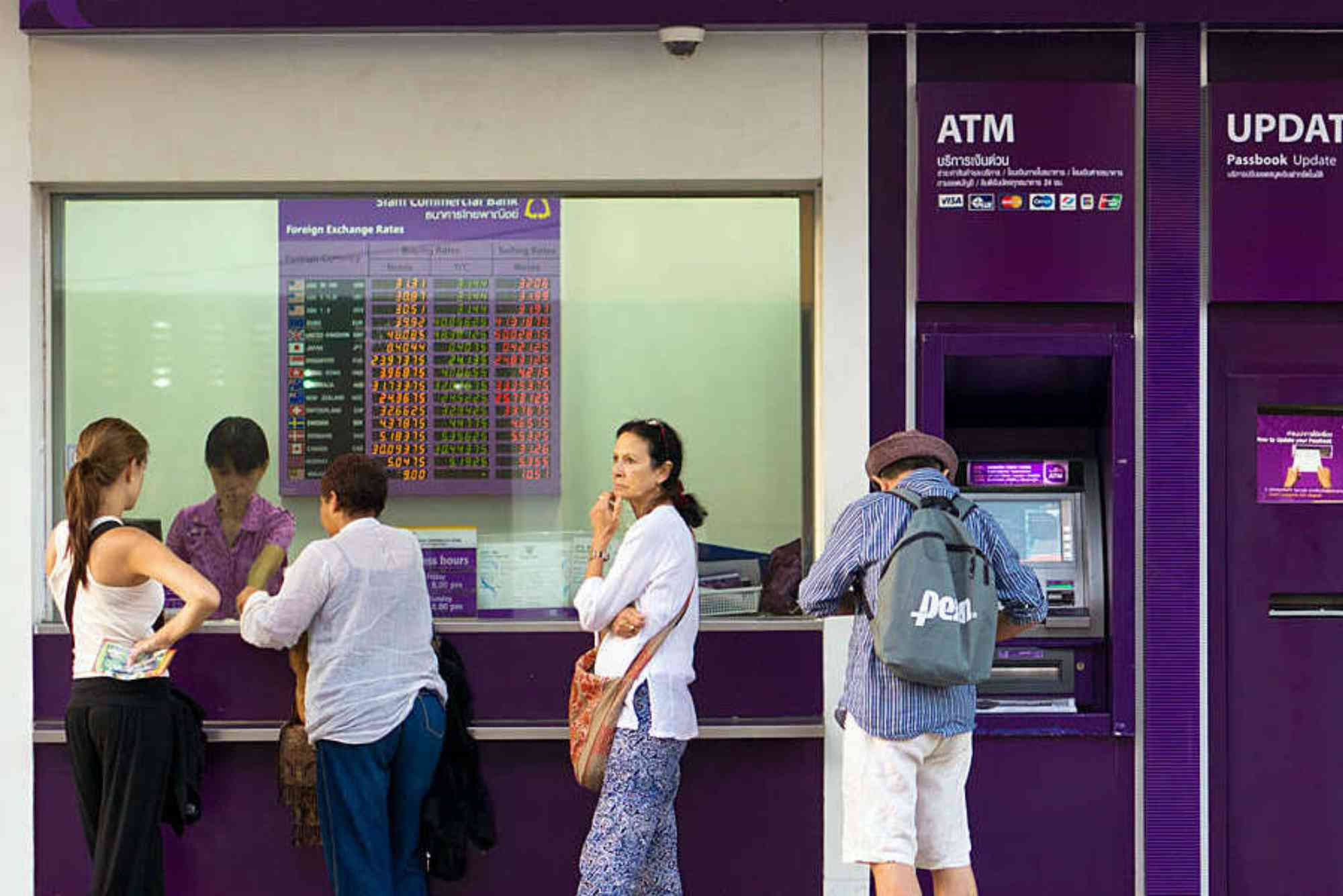
Sampath Bank has established itself as one of Sri Lanka’s leading commercial banks. Its exchange rates are used daily by travelers, importers, exporters, and remittance recipients. These rates reflect the balance between global currency markets and local economic policies. For individuals sending or receiving foreign currency, the Sampath Bank exchange rate determines the final amount in Sri Lankan rupees, influencing the value of their transactions.
In a conventional sense, banks like Sampath act as intermediaries, ensuring that cross-border money flows are regulated, transparent, and compliant with local laws. Exchange rates offered by banks usually incorporate a margin above the mid-market rate, accounting for operational costs, liquidity, and profit. While this system has functioned reliably for decades, the emergence of cryptocurrency has created new dimensions in cross-border finance.
Crypto Meets Traditional Banking: An Emerging Intersection
Cryptocurrencies were initially designed to bypass intermediaries such as banks. Their decentralized structure allows peer-to-peer transactions across borders without reliance on local exchange rates. However, real-world usage shows that digital assets often intersect with traditional financial systems. People who hold crypto frequently need to convert it into fiat currency, and this is where the Sampath Bank exchange rate indirectly becomes relevant.
For example, an investor receiving payments in Bitcoin or Ethereum from overseas clients may need to withdraw funds locally. The conversion process typically involves selling crypto on an exchange, transferring fiat to a bank account, and finally accessing the funds through a financial institution like Sampath Bank. At that point, the bank’s prevailing exchange rate will determine how much local currency the investor receives.
This dynamic highlights a subtle but crucial point: while crypto provides global flexibility, the bridge between digital and fiat currencies still relies on banks and their exchange policies.
Impact of Sampath Bank Exchange Rate on Cross-Border Crypto Transactions
When analyzing the cross-border flow of crypto, one cannot ignore the influence of exchange rates set by traditional banks. The Sampath Bank exchange rate affects both entry and exit points of cryptocurrency transactions. If the rate favors a stronger rupee against the dollar or euro, local recipients may receive less value when converting. Conversely, favorable shifts in the rate can enhance purchasing power.
This interplay can also impact remittance behavior. Sri Lanka relies heavily on remittances from workers abroad, many of whom are exploring crypto as a channel to bypass high fees charged by traditional money transfer services. However, once crypto is converted into fiat for everyday use, Sampath Bank’s rates come into play. The ability to maximize value depends on both crypto market conditions and the bank’s currency exchange margin.
Moreover, businesses engaged in cross-border trade face additional complexity. Importers paying overseas suppliers in crypto must factor in conversion costs when bringing funds into local accounts. Exporters receiving payments through stablecoins or other digital assets still depend on banks to transform crypto into usable rupees. In both cases, exchange rate fluctuations at Sampath Bank can influence profit margins and cash flow stability.
Cross-Border Opportunities and Challenges
The alignment between crypto and the Sampath Bank exchange rate creates opportunities for users seeking efficiency and diversification. Crypto’s global nature allows funds to move instantly, avoiding delays linked with traditional correspondent banking systems. When combined with competitive exchange rates, this can lead to significant savings for individuals and businesses.
On the other hand, challenges remain. Banks are bound by regulatory frameworks that govern currency inflows and outflows. Sampath Bank must comply with Sri Lanka’s financial regulations, which may impose restrictions on large or unusual crypto-related transactions. Users face the dual risk of volatile crypto prices and potential changes in bank policies.
Another factor is timing. Crypto markets operate 24/7, while banks function within fixed hours. This mismatch means that while crypto values may change rapidly, the conversion into fiat through banks like Sampath may not reflect real-time parity. Customers need to strategize their transfers carefully to minimize losses and optimize value.
The Global Context: How Exchange Rates Shape Crypto Adoption
Globally, crypto adoption has often surged in regions where banking systems present limitations or foreign exchange volatility is high. Exchange rates play a decisive role in this pattern. Countries with weaker currencies often see citizens adopting stablecoins pegged to the US dollar as a safeguard against depreciation.
In Sri Lanka, the Sampath Bank exchange rate serves as a benchmark for daily currency valuation. As locals explore crypto, they inevitably measure the benefits of digital transactions against the prevailing bank rate. For example, if sending crypto to family at home results in more rupees after conversion than through official remittance channels, adoption tends to grow.
This context demonstrates how exchange rates do not exist in isolation. They actively shape the trajectory of crypto usage, either encouraging or discouraging adoption depending on how favorable they are compared to alternative options.
Future Outlook: Sampath Bank and Crypto Integration
Looking ahead, the role of Sampath Bank in the crypto ecosystem is likely to expand. As regulatory clarity develops, banks may find ways to incorporate blockchain technology into their operations. Some international banks have already begun offering custody services for digital assets or enabling crypto-to-fiat transfers within their networks.
For Sampath Bank, embracing innovation while maintaining compliance could position it as a leader in the regional financial sector. Its exchange rates would remain a critical piece of this puzzle, bridging the gap between global crypto markets and local currency users. The ability to provide competitive, transparent exchange rates could strengthen customer trust and attract a new generation of tech-savvy clients.
FAQ Section
What is the Sampath Bank exchange rate today?
The Sampath Bank exchange rate varies daily based on market conditions and is published on the bank’s official channels.
How does Sampath Bank exchange rate affect crypto users?
It impacts the value received when converting crypto proceeds into local currency through traditional banking channels.
Can I directly transfer crypto to Sampath Bank?
Currently, Sampath Bank does not support direct crypto deposits. Users must convert crypto to fiat before transferring funds.
Is crypto cheaper for remittances compared to bank transfers?
Often yes, but the final value still depends on conversion rates and bank fees when withdrawing local currency.
Why do Sampath Bank exchange rates differ from global market rates?
Banks apply margins for operational costs and liquidity management, which is why their rates differ from mid-market values.
The Sampath Bank exchange rate remains central to financial decisions in Sri Lanka, especially for those engaging in cross-border transactions. As cryptocurrency continues to grow in importance, the intersection between digital assets and traditional banking rates becomes more pronounced. For individuals and businesses, understanding this relationship is essential for maximizing value and minimizing risk.
The future likely holds deeper integration between banks and crypto markets. Sampath Bank, with its established reputation, could play a pivotal role in shaping this transformation. Whether you are an investor, remittance sender, or global trader, staying informed about exchange rates and their implications on crypto is the key to financial empowerment.