Signs of Low Brake Fluid: What to Look For and How to Fix It
When it comes to vehicle safety, your brakes are arguably the most critical component. Yet, many drivers overlook a simple but vital aspect: brake fluid. The signs of low brake fluid often go unnoticed until a serious issue arises, putting you and others at risk. Understanding these signs early can help you maintain your braking system and avoid costly repairs or accidents.
In this article, we’ll explore the key signs of low brake fluid, what causes it, and how you can fix the problem effectively. Whether you’re a seasoned driver or new to car maintenance, this guide will provide clear, practical advice to keep your brakes functioning smoothly.
What Is Brake Fluid and Why Is It Important?
Brake fluid is a special hydraulic fluid that transfers force from the brake pedal to the brake pads or shoes. When you press the brake pedal, the fluid pushes the pads against the rotors, slowing your vehicle down. Without enough brake fluid, this system can fail or perform poorly.
Brake fluid also prevents corrosion inside your braking system and lubricates moving parts. Low brake fluid often signals leaks or worn brake components. Ignoring it could lead to brake failure — a dangerous situation.
Common Signs of Low Brake Fluid
Recognizing the signs of low brake fluid early can save you from unexpected breakdowns and costly repairs. Here are the most common symptoms to watch for.
Brake Warning Light on the Dashboard
One of the most obvious signs of low brake fluid is the brake warning light illuminating on your dashboard. Modern vehicles have sensors in the brake fluid reservoir. When fluid falls below the recommended level, the warning light activates to alert you.
This light should never be ignored. Even if your brakes feel fine, the warning indicates a potential issue that needs immediate attention.
Spongy or Soft Brake Pedal
If your brake pedal feels softer than usual or sinks toward the floor with little resistance, it could be a sign of low brake fluid. The hydraulic pressure inside the brake lines depends on sufficient fluid. When the level drops, pressure decreases, making the pedal feel spongy.
This symptom often develops gradually, so you might not notice it until you’re in a situation that requires sudden braking.
Increased Stopping Distance
Another critical sign is when your vehicle takes longer to stop. Low brake fluid means less hydraulic force to apply the brakes fully. You might notice you have to press the pedal harder or that your car slows down less efficiently.
This increase in stopping distance is dangerous, especially in emergencies, and requires prompt investigation.
Visible Leaks Around the Wheels or Under the Car
Brake fluid leaks usually occur in the brake lines, calipers, or wheel cylinders. If you notice clear to slightly yellow fluid pooling near your tires or under your car, this could be brake fluid leaking.
Leaks directly cause low fluid levels and loss of braking efficiency. They often accompany other symptoms like warning lights or a soft pedal.
Brake Pedal Vibrations or Pulsations
Sometimes, low brake fluid can cause uneven pressure in the system, leading to vibrations or pulsations when you press the pedal. While this can also be caused by warped rotors, it’s worth checking your fluid level as part of the diagnostic process.
Causes of Low Brake Fluid
Understanding why your brake fluid might be low helps prevent recurring problems. Common causes include:
- Leaks: The most frequent cause. Brake lines, calipers, wheel cylinders, or the master cylinder might develop cracks or damage.
- Worn Brake Pads: As pads wear down, the caliper pistons extend farther, requiring more fluid to fill the space.
- Improper Maintenance: Failure to check or top off brake fluid during regular servicing can lead to low levels.
- Damaged Reservoir Cap or Seal: This can allow moisture or dirt to contaminate the fluid or cause leaks.
- Brake System Repairs: Sometimes, a brake system repair can cause a temporary drop if fluid wasn’t refilled properly.
How to Check Brake Fluid Levels Yourself
Checking your brake fluid is simple and should be part of regular vehicle maintenance.
- Park your car on a level surface and open the hood.
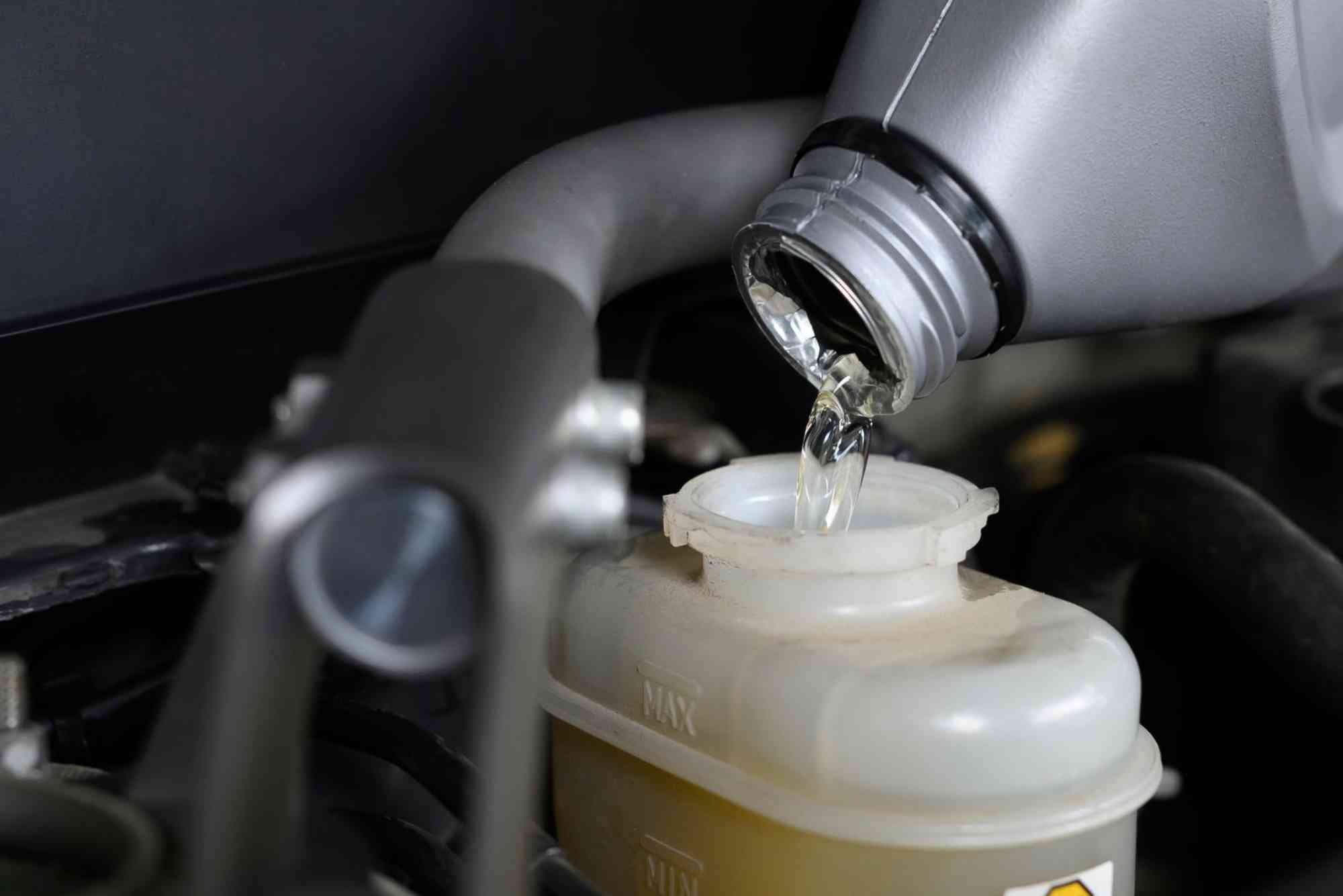
- Locate the brake fluid reservoir — it’s usually a small, clear container near the back of the engine bay.
- Check the fluid level against the “MIN” and “MAX” markings on the side.
- If the level is below “MIN,” you need to add brake fluid.
Use the type of brake fluid recommended in your owner’s manual, typically DOT 3, DOT 4, or DOT 5.1. Avoid mixing different types.
How to Fix Low Brake Fluid Issues
Once you identify low brake fluid, follow these steps:
Adding Brake Fluid
If there’s no leak and the fluid is simply low, carefully add the appropriate brake fluid to the reservoir. Do not overfill; keep it between “MIN” and “MAX.”
Inspect for Leaks
If fluid levels drop repeatedly, inspect for leaks or take your vehicle to a professional mechanic. Brake leaks can be dangerous and require expert repairs.
Bleeding the Brakes
If air has entered the brake lines due to low fluid, you may need to bleed your brakes. This process removes trapped air and restores proper hydraulic pressure. It’s best performed by a mechanic unless you have experience.
Replace Worn Brake Components
Worn pads, rotors, or damaged calipers can cause brake fluid problems. If needed, replace these parts promptly.
Why You Should Never Ignore Signs of Low Brake Fluid
Ignoring the signs of low brake fluid puts you at significant risk. Brake failure can lead to accidents, injuries, and expensive repairs. Moreover, low fluid may indicate other hidden issues in your brake system.
Regular checks, timely fluid top-ups, and professional inspections maintain your brake system’s health and your safety on the road.
The signs of low brake fluid are clear warning signals that your braking system needs attention. From dashboard warning lights to a soft brake pedal or visible leaks, don’t wait to address these issues. Regular brake fluid checks and maintenance keep your car safe and reliable.
FAQs
What happens if brake fluid is low?
Low brake fluid reduces hydraulic pressure in your braking system, causing a soft pedal, increased stopping distance, or even brake failure.
How often should I check my brake fluid?
It’s recommended to check your brake fluid level every few months or during regular oil changes.
Can I drive with low brake fluid?
It’s unsafe to drive with low brake fluid because your brakes may not function properly. Get it fixed before driving.
Why does brake fluid keep getting low?
Continuous drops in fluid level often indicate leaks, worn brake pads, or damaged brake components.
How do I know if my brake fluid is bad?
Old brake fluid appears dark and dirty. If you notice discoloration or a strong odor, it’s time to replace it.