Is Spicy Food Safe During Pregnancy? Myths and Facts
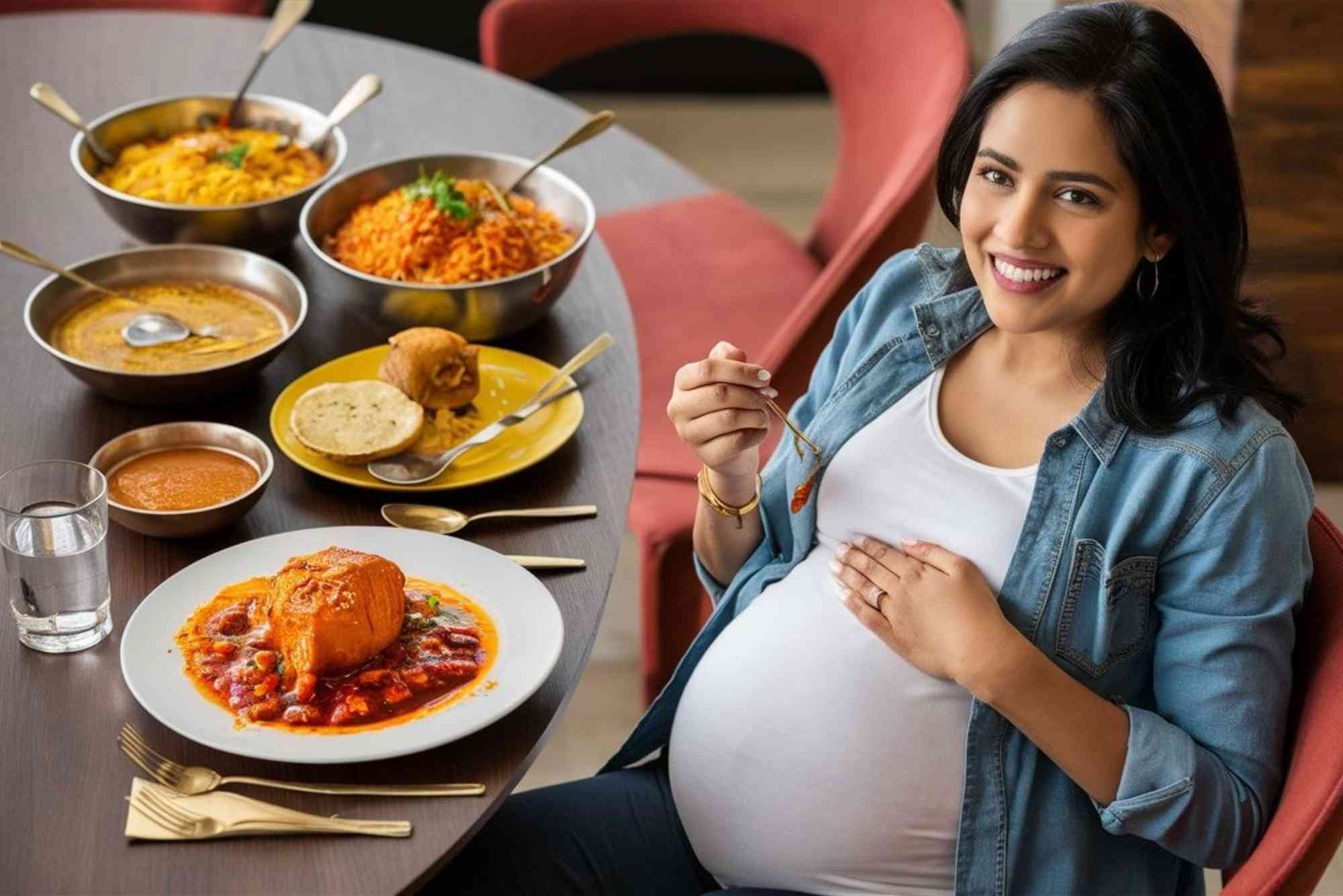
Pregnancy often brings a whirlwind of food cravings and dietary restrictions. One frequently debated topic is whether spicy food is safe during pregnancy. Some people believe it can harm the baby, while others think it can trigger labor or upset digestion. So, what’s fact and what’s fiction? In this article, we’ll unpack the myths and scientific facts surrounding spicy food pregnancy concerns. By the end, you’ll know whether it’s okay to enjoy that extra chili with your meal or if you should tone it down for the sake of your baby and your health.
What Happens When You Eat Spicy Food During Pregnancy?
When a pregnant woman eats spicy food, her body responds in similar ways as it would outside of pregnancy. Spices can trigger acid reflux, heartburn, or indigestion, especially because pregnancy hormones tend to relax the muscles of the gastrointestinal tract. The growing uterus also places extra pressure on the stomach, which can push acid back up the esophagus, worsening the sensation. However, these effects are usually temporary and manageable. Spicy foods do not reach the fetus directly, and there is no evidence suggesting that spices can cause birth defects or long-term harm to the baby.
Common Myths About Spicy Food Pregnancy
Many myths surrounding spicy food and pregnancy have been passed down through generations. Let’s take a closer look at a few of the most common ones.
Myth: Spicy Food Can Harm the Baby
There is no scientific evidence showing that spicy food harms the developing fetus. Spices do not pass into the amniotic fluid in concentrations that could endanger the baby. What the mother eats does influence her body and digestion, but it doesn’t directly affect the baby in a harmful way unless it causes severe distress or illness.
Myth: Spicy Food Induces Labor
Some women believe eating spicy food late in pregnancy can trigger labor. While it’s true that certain foods can stimulate the digestive system, there’s no solid clinical proof that spicy food causes labor. It might cause uterine activity due to digestive irritation, but it does not act as a medical induction agent.
Myth: Spicy Food Causes Miscarriage
This myth is especially widespread, but again, there is no scientific backing. Most miscarriages are due to chromosomal abnormalities, infections, or other medical conditions. Food choices, including spicy ones, are not listed as direct causes of miscarriage in any major medical literature.
Myth: Babies Will Be Born with a Preference for Spicy Food
It’s often said that if a mother eats spicy food during pregnancy, the baby will develop a taste for spice. While a fetus can taste flavors through amniotic fluid in the third trimester, there’s no evidence that these early exposures significantly shape food preferences later in life.
Benefits of Eating Spicy Food During Pregnancy
Spicy foods, when consumed in moderation, can offer health benefits, even during pregnancy. Many spices contain antioxidants, anti-inflammatory compounds, and essential nutrients.
For example, chili peppers contain capsaicin, which has natural pain-relieving properties. Garlic and turmeric are known for their anti-inflammatory and antimicrobial effects. Including spices in your meals can boost flavor without adding extra calories, sugar, or unhealthy fats, which is important for managing weight and nutrition during pregnancy.
Additionally, spicy foods may help in relieving nasal congestion, which is common due to pregnancy-related hormonal changes. Some women also find that spicy meals make them feel satisfied faster, potentially helping with portion control.
Possible Side Effects and How to Manage Them
While spicy food is generally safe, some women may experience certain discomforts during pregnancy. Heartburn is perhaps the most common complaint. Pregnancy hormones such as progesterone relax the valve between the esophagus and stomach, making it easier for acid to escape.
Nausea and digestive upset may also become worse with spicy foods. If you’re already experiencing morning sickness or gastrointestinal sensitivity, spicy meals could intensify the symptoms. It’s essential to listen to your body and adjust your diet as needed.
To minimize discomfort, try eating smaller, more frequent meals, drink plenty of water, and avoid lying down right after eating. You can also pair spicy dishes with yogurt or cooling ingredients to balance the heat.
When Should You Avoid Spicy Foods During Pregnancy?
In rare cases, pregnant women may have specific medical conditions that require dietary restrictions. If you have gastrointestinal disorders like acid reflux, gastritis, or irritable bowel syndrome, your doctor may recommend limiting spicy foods.
Additionally, if a particular meal has triggered strong reactions such as vomiting, dizziness, or diarrhea, it’s best to avoid that dish moving forward. While spices themselves aren’t harmful, how your body reacts to them can vary greatly, especially during different stages of pregnancy.
Always consult your doctor or a registered dietitian if you’re unsure about including specific foods in your pregnancy diet.
Cultural Views on Spicy Food and Pregnancy
Different cultures have different beliefs and habits regarding food during pregnancy. In many South Asian and Latin American communities, spicy food is a normal part of everyday meals, even during pregnancy. On the other hand, in some Western countries, expecting mothers are advised to stick to bland, low-spice diets.
This diversity shows that there’s no universal rule, and much depends on what your body is used to. If you regularly ate spicy food before pregnancy and tolerated it well, there’s no reason to avoid it now—unless you experience new or uncomfortable symptoms.
Scientific Research on Spicy Food and Pregnancy
Scientific studies on this topic are somewhat limited, but available research supports the idea that spicy foods are safe in moderation. A study published in The American Journal of Clinical Nutrition noted that maternal diet may expose the fetus to different flavor profiles via the amniotic fluid, which could influence postnatal flavor preferences, but not in harmful ways.
Another study focused on gastrointestinal responses during pregnancy found that heartburn and indigestion were more common in the third trimester, regardless of diet. Spicy food may worsen these symptoms, but it isn’t the sole cause.
Practical Tips for Eating Spicy Food During Pregnancy
- Start small if you’re not used to spices. Gradual exposure can help your body adjust.
- Choose milder spices or spice blends that offer flavor without excessive heat.
- Pair spicy dishes with cooling sides like yogurt, cucumbers, or rice.
- Stay upright after meals to reduce the risk of acid reflux.
- Drink milk or eat bread to counteract the burning sensation if needed.
- Keep a food diary to track what meals make you feel good—or uncomfortable.
FAQs
Can I eat spicy food in early pregnancy?
Yes, eating spicy food in early pregnancy is generally safe. However, if you’re experiencing morning sickness, it may aggravate nausea or cause heartburn. It’s best to start with milder spices and observe your body’s reaction.
Does spicy food affect the baby during pregnancy?
No direct harm to the baby has been proven from eating spicy food. The baby is cushioned and protected in the womb, and food components do not directly reach them in a harmful way. At most, the baby might taste faint flavors in the amniotic fluid during the third trimester.
Is spicy food bad in the third trimester?
Spicy food isn’t inherently bad in the third trimester, but you might notice more heartburn or indigestion due to the baby pressing on your stomach. If symptoms become severe, reduce your intake or choose less spicy alternatives.
Can spicy food cause contractions?
There’s no medical evidence showing that spicy food induces labor. While some women report cramping or digestive upset after eating spicy dishes, this is not the same as true labor contractions.
How much spicy food is safe during pregnancy?
There’s no defined “safe amount,” but moderation is key. If your body handles spice well, small to moderate amounts should be fine. Overeating anything, including spices, can lead to digestive discomfort.
So, is spicy food safe during pregnancy? Absolutely—when consumed in moderation and with attention to how your body responds. Most of the fears surrounding spicy food pregnancy risks are based on myths rather than science. In fact, spices can offer health benefits and help keep meals flavorful during a time when many women experience changes in taste and appetite.
However, it’s always wise to listen to your body. If a particular dish causes discomfort, scale it back. And if you have medical conditions or persistent symptoms, consult your doctor.