Spicy Food While Pregnant – What You Should Know
Pregnancy often brings about a roller coaster of cravings—sometimes for sweet, sour, or even ultra-spicy dishes. Many expecting mothers wonder, “Is spicy food while pregnant safe?” It’s a valid concern, especially when you’re focused on your baby’s health and your own comfort. The good news is that for most pregnant women, spicy food is safe. However, understanding its potential effects, risks, and when to avoid it is essential for a smooth pregnancy journey. In this article, we explore the science, myths, and facts around eating spicy food while pregnant.
Is It Safe to Eat Spicy Food During Pregnancy?
Spicy food while pregnant is generally considered safe and does not pose direct harm to your baby. The fetus is well-protected in the uterus, shielded from the effects of your dinner’s chili content. However, that doesn’t mean it comes without consequences. Eating hot and spicy food can increase discomfort during pregnancy due to increased sensitivity in the digestive system.
Hormonal changes and physical pressure from the growing uterus make heartburn and indigestion more common. Spicy meals may aggravate these symptoms. That said, many women enjoy spicy food throughout their pregnancy without issue. If you’re used to eating spicy food pre-pregnancy, your body is likely to tolerate it well during pregnancy too.
Common Effects of Spicy Food During Pregnancy
Heartburn and Indigestion
This is the most common side effect. Spicy food can irritate the lining of the esophagus and stomach, especially when progesterone levels cause the muscles in the digestive tract to relax. This allows stomach acid to travel upward, causing a burning sensation.
Gas and Bloating
Pregnant women often experience slower digestion. Adding hot peppers and spicy sauces can contribute to more gas formation, bloating, and abdominal discomfort. This doesn’t harm the baby but can be unpleasant for the mother.
Morning Sickness Trigger
If you’re in the first trimester, when nausea is already at its peak, spicy foods can make you feel worse. It may trigger vomiting or intensify the symptoms of morning sickness for some women.
Craving Satisfaction
Interestingly, some women crave spicy foods during pregnancy. While no scientific reason fully explains this, hormonal fluctuations and changes in taste perception could be responsible. If it satisfies your craving and doesn’t cause digestive discomfort, it’s fine to indulge.
Myths About Spicy Food While Pregnant
There are many old wives’ tales surrounding spicy food during pregnancy. Let’s bust a few:
Spicy Food Can Cause Miscarriage
There’s no scientific evidence to support this. Miscarriages are usually linked to chromosomal abnormalities or health issues, not diet. Eating spicy food cannot trigger a miscarriage.
Spicy Food Induces Labor
It’s a common belief that spicy food can jump-start labor. While some women claim they went into labor after a spicy meal, clinical studies show no proven connection. At best, spicy food might irritate your digestive system and cause bowel movements, but it doesn’t directly stimulate uterine contractions.
It Can Harm the Baby’s Skin or Eyes
This is completely untrue. What you eat doesn’t affect the baby’s skin texture or cause eye issues. These characteristics are determined genetically, not by diet.
Benefits of Eating Spicy Food During Pregnancy
While spicy food may cause discomfort for some, it also has potential benefits when consumed moderately:
Boosts Metabolism
Spicy foods like chili peppers contain capsaicin, a compound that may temporarily boost metabolism and aid in digestion.
Natural Decongestant
Pregnancy can come with nasal congestion due to hormonal changes. Spicy foods act as natural decongestants and can help clear your sinuses.
Rich in Antioxidants
Many spices such as turmeric, cumin, ginger, and chili are high in antioxidants and anti-inflammatory compounds, which support immune health.
When Should You Avoid Spicy Food While Pregnant?
Although it’s generally safe, there are times when it’s better to skip the spicy dishes:
- If you have severe acid reflux, spicy food can worsen the condition.
- If spicy meals intensify your morning sickness, avoid them during the first trimester.
- If you notice allergies, rashes, or gastrointestinal issues after eating certain spicy foods, talk to your doctor.
- If you’ve been diagnosed with gastritis or ulcers, spicy food should be limited.
Tips for Eating Spicy Food While Pregnant Safely
To enjoy spicy food without the drawbacks, keep these guidelines in mind:
- Eat smaller portions to reduce the risk of indigestion.
- Avoid spicy food late at night to prevent acid reflux while lying down.
- Pair spicy meals with yogurt or milk to neutralize heat.
- Choose natural spices over packaged sauces that may contain preservatives.
- Stay hydrated to reduce the burning sensation and help digestion.
If you’re introducing a new spicy ingredient to your diet during pregnancy, go slow. Monitor your body’s response, and adjust accordingly.
Cravings for Spicy Food During Pregnancy: What Do They Mean?
Cravings are a natural part of pregnancy. A desire for spicy food while pregnant might just reflect a shift in taste preferences. Some researchers believe cravings can also indicate a nutritional need or psychological comfort. In cultures where spicy food is common, women report fewer issues with consuming it during pregnancy. Listen to your body, but always aim for balance and variety in your meals.
Alternatives to Spicy Food That Are Gentle on Your Stomach
If spicy food causes you discomfort but you still want flavor, try these:
- Use herbs like basil, thyme, oregano, and mint for a fresh kick.
- Choose mildly spiced dishes using turmeric or cumin.
- Add ginger for warmth without the burn.
- Cook with garlic and lemon to add zest and depth.
These options are tasty and easier on the stomach, offering flavor without triggering heartburn.
How Different Cultures View Spicy Food in Pregnancy
Around the world, spicy food is a staple—even during pregnancy. In India, Mexico, and Thailand, spicy dishes are consumed regularly, and pregnant women continue to eat their traditional meals. Interestingly, women from these regions report no unusual complications from spicy foods. This suggests that tolerance plays a role, and cultural habits influence dietary choices more than scientific concerns in many cases.
When to Talk to Your Doctor
If you experience severe digestive issues after eating spicy food while pregnant or notice persistent nausea, vomiting, or abdominal pain, consult your OB-GYN. Also, if you’re unsure whether a specific spice or ingredient is safe due to an existing condition (like IBS or acid reflux), it’s always best to ask.
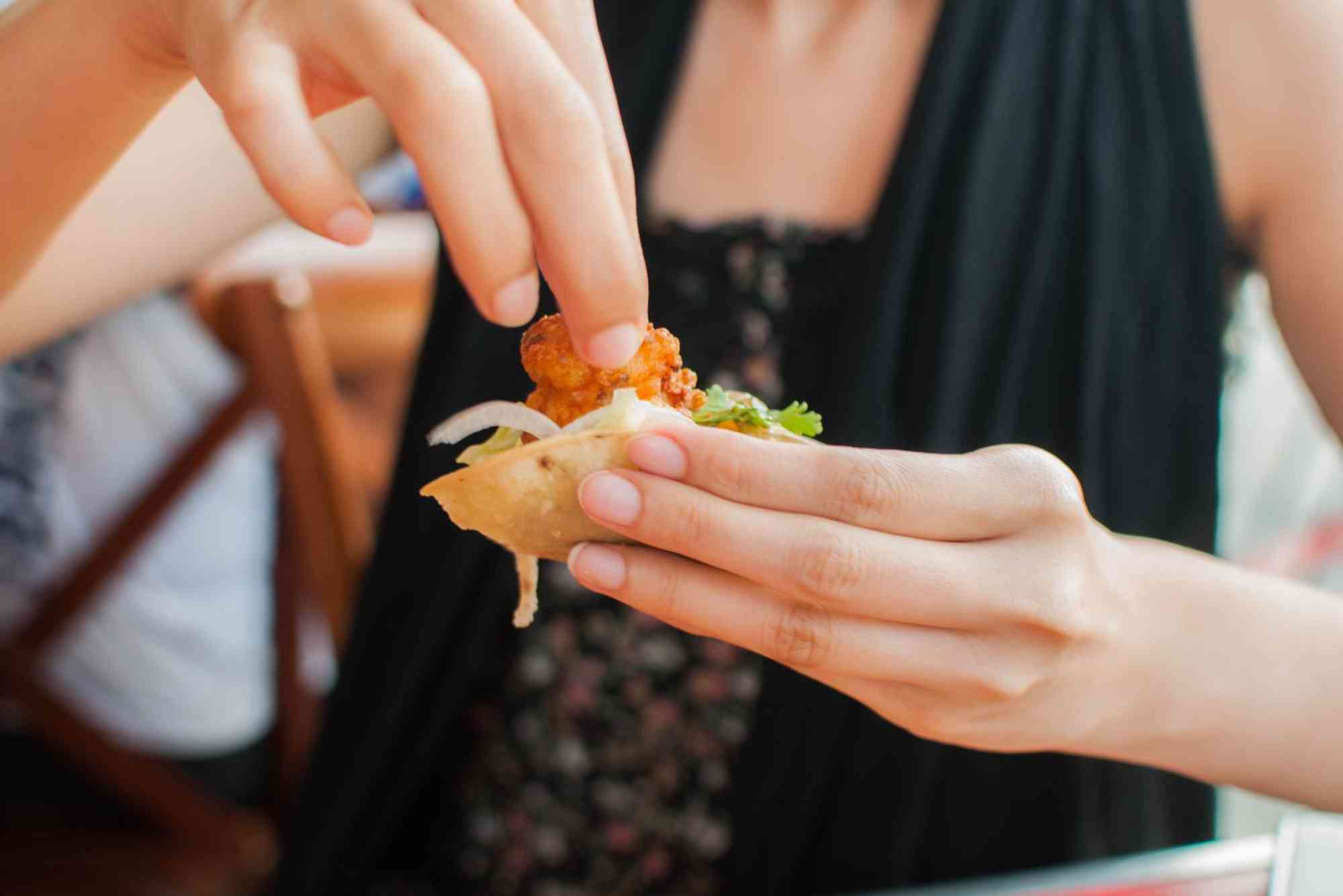
Spicy food while pregnant is usually safe in moderation. It won’t harm your baby, but it might make you feel uncomfortable depending on your body’s response. If you’re craving it and your digestive system cooperates, go ahead and enjoy that hot curry or chili taco. Just be mindful of portion sizes and how your body reacts. Pregnancy is not the time to experiment with extreme spice levels if your body isn’t used to them.
Every pregnancy is unique. If you’re unsure whether spicy food is right for you during pregnancy, talk to your healthcare provider. For more trusted pregnancy tips, subscribe to our newsletter or explore our pregnancy nutrition section.
(FAQs)
Can I eat spicy food while pregnant in the first trimester?
Yes, you can. However, if you’re experiencing morning sickness, spicy foods might make nausea worse. Eat in moderation and observe how your body responds.
Does spicy food affect the baby during pregnancy?
No, spicy food does not directly affect the baby. The baby is protected inside the uterus and isn’t exposed to the food’s heat or spice level.
Will spicy food during pregnancy cause labor?
There’s no proven scientific link. While some women believe it triggers labor, studies have found no direct connection between spicy food and labor induction.
Is craving spicy food during pregnancy normal?
Absolutely. Many women report unusual cravings, including for spicy food. This is due to hormonal changes and altered taste perception during pregnancy.
What should I do if spicy food gives me heartburn during pregnancy?
Limit intake, avoid eating late at night, drink plenty of water, and pair spicy food with dairy to soothe the stomach. Antacids may help, but consult your doctor first.