
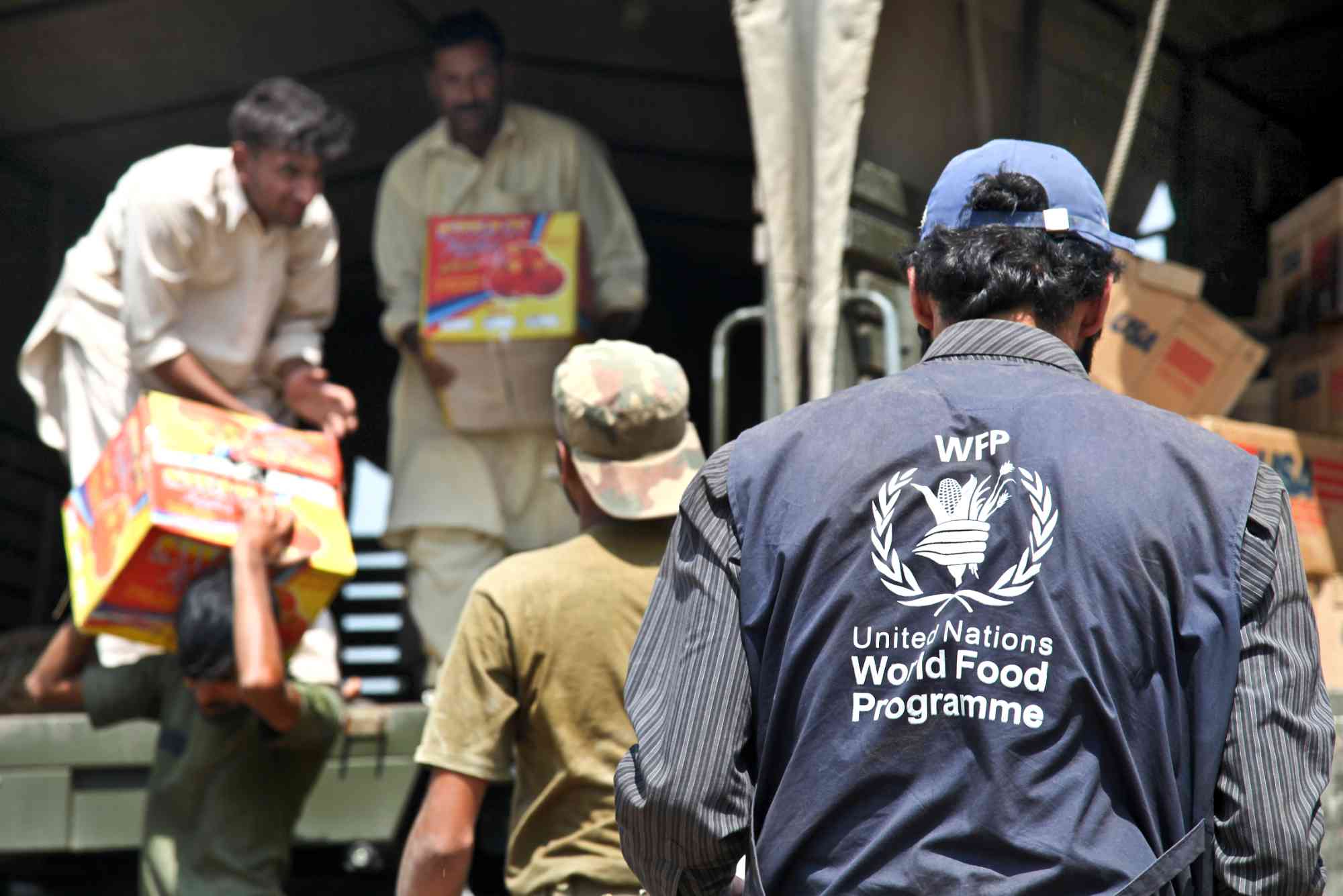
UN World Food Programme Jobs: Career Paths That Make an Impact
Working for the United Nations World Food Programme (WFP) offers a rare blend of purpose-driven employment and global outreach. As the world’s largest humanitarian organization fighting hunger, the WFP provides food assistance to millions of people in need each year. Whether you’re an experienced logistics officer, a fresh graduate, or a passionate humanitarian, UN World Food Programme jobs offer roles where your efforts directly improve lives and transform communities. From emergency relief to sustainable development, the WFP’s work spans across conflict zones, refugee camps, and disaster-stricken regions. This article will walk you through the different career paths at WFP, job categories, hiring process, qualifications, and tips to launch a successful humanitarian career that truly makes an impact.
Understanding the Mission of WFP
The United Nations World Food Programme was established in 1961 with a mission to eradicate hunger and ensure food security across the globe. Its operations serve over 90 countries, assisting more than 100 million people annually. WFP is funded entirely by voluntary donations, relying on contributions from governments, corporations, and individuals to sustain its food distribution and development programs. The agency doesn’t just deliver food—it focuses on empowering communities with nutrition programs, school meals, resilience-building, and climate adaptation projects. When you pursue UN World Food Programme jobs, you are joining a team whose ultimate goal is zero hunger.
Types of Careers at the UN World Food Programme
The WFP offers diverse job opportunities that align with humanitarian aid, supply chain, administration, and field work. Broadly, careers are divided into several categories, each with unique qualifications and responsibilities. These include international professionals, national professionals, general service roles, and consultancy positions.
International Professional Staff
International professional roles are open to candidates from all nationalities and typically require advanced degrees and significant experience. These jobs include logistics officers, nutritionists, programme policy officers, and emergency coordinators. Staff are often deployed in high-risk regions and must be adaptable to complex humanitarian environments.
National Professional Officers
These positions are available to citizens of the country where the job is located. They focus on country-specific development, often involving local policy coordination, food distribution, or agriculture support. Fluency in the local language and familiarity with national context are essential.
General Service and Support Roles
These positions include administration, finance, human resources, IT support, and clerical roles. Typically based in offices or headquarters, general service staff help WFP operations run smoothly. These roles require varying levels of education and experience, making them accessible to a broader group.
Consultants and Short-Term Contracts
For specialized projects or urgent needs, WFP hires consultants on short-term contracts. These roles are highly focused and allow professionals with unique skills—like data science, supply chain management, or public health—to contribute without a long-term commitment.
Functional Areas with the Most Demand
While all roles contribute to the organization’s mission, some fields have consistently high demand due to the dynamic nature of humanitarian work. Logistics, programme operations, nutrition, and emergency response are core pillars of WFP activities.
Logistics is the backbone of food distribution. Professionals in this area manage transport, warehousing, and coordination of supply chains that operate in the most challenging environments.
Nutritionists play a key role in ensuring that food assistance meets dietary needs. WFP’s school feeding programs, maternal health initiatives, and child nutrition interventions all depend on expert guidance from trained professionals.
Programme officers develop and monitor food security programs tailored to each region’s needs. Their responsibilities include engaging with local governments, NGOs, and communities to ensure projects are inclusive and effective.
Emergency response teams are deployed during crises like conflicts, natural disasters, or pandemics. They provide life-saving aid and support rapid recovery by distributing food and conducting vulnerability assessments.
Qualifications and Skills Needed
Most UN World Food Programme jobs require at least a bachelor’s degree, though many roles prefer or require a master’s degree in fields like international relations, nutrition, agriculture, public health, logistics, or economics. For technical roles, experience with supply chain software, GIS mapping, or data analytics can be advantageous. Language skills are also crucial. English is the working language of WFP, but French, Arabic, Spanish, and Portuguese are commonly used in field operations.
In addition to academic credentials, successful candidates must demonstrate core competencies such as teamwork, leadership, adaptability, communication, and problem-solving. Humanitarian work often involves high-pressure environments, so resilience and cultural sensitivity are highly valued.
The Recruitment Process
The hiring process for UN World Food Programme jobs is rigorous and transparent. Open positions are posted on WFP’s official careers page and advertised through platforms like UN Jobs, Impactpool, and Devex. Candidates must submit an online application, including a detailed CV and a tailored motivation letter.
After initial screening, shortlisted applicants may be invited to take written tests, participate in technical assessments, or attend panel interviews. For senior roles, the selection process may also include background checks and reference verifications. Due to the competitive nature of UN jobs, it is essential to match your application closely with the role’s requirements.
How to Stand Out as a Candidate
To increase your chances of landing a job at WFP, demonstrate a clear understanding of humanitarian work and WFP’s strategic objectives. Your cover letter should reflect alignment with the organization’s values and commitment to ending hunger. Highlight relevant achievements, field experience, or volunteer work. Prior experience with NGOs or multilateral agencies is a significant advantage.
Consider taking courses or obtaining certifications in humanitarian response, food security, or international development. WFP often values practical skills over theoretical knowledge, so showing how you’ve applied your expertise in real-world settings can make your profile stronger.
Networking also plays a crucial role. Engage with current or former WFP staff on platforms like LinkedIn. Attend global food policy or humanitarian aid conferences where WFP staff may present or participate. Building genuine connections can help you gain insights and mentorship.
Internships and Fellowships
For students and recent graduates, internships and fellowships offer an excellent entry point into UN World Food Programme jobs. WFP internships typically last between two to six months and are open to university students or graduates within six months of completing their degree. Interns work on real projects and contribute directly to the organization’s mission.
The Junior Professional Officer (JPO) programme is another opportunity funded by donor governments. It provides young professionals with experience in international development, often leading to long-term employment.
Life at WFP: Culture and Work Environment
Working at WFP is both rewarding and demanding. The organization fosters a diverse and inclusive culture that respects different backgrounds and perspectives. Field staff often work in challenging and unstable environments, which require flexibility, courage, and compassion. At the same time, the sense of purpose and solidarity among colleagues is a major motivator.
The WFP also invests in staff development through continuous learning, career mobility, and leadership training. Employees have access to UN-wide benefits including health insurance, pension schemes, and education grants. For those seeking a career with both personal and professional growth, UN World Food Programme jobs deliver that in abundance.
A career with the United Nations World Food Programme is more than just a job—it’s a mission. Every position contributes to building a world where no child goes to bed hungry. Whether you’re an experienced logistics officer, a passionate nutritionist, or a recent graduate eager to serve, WFP offers roles where your contribution can be life-changing.
Now is the time to take the next step. Visit the official WFP Careers Portal, explore the latest openings, and begin your journey toward a meaningful career. Your expertise and compassion could be the difference in someone’s life.
FAQ
Q: How can I apply for a job with the UN World Food Programme?
A: You can apply by visiting the official WFP Careers Portal, creating an online profile, and submitting your application to listed vacancies. Tailoring your CV and motivation letter to each role is essential.
Q: What are the educational requirements for UN World Food Programme jobs?
A: Most roles require at least a bachelor’s degree, with many preferring a master’s in fields like international development, nutrition, logistics, or public health.
Q: Do I need field experience to work at WFP?
A: While not always mandatory, field experience is highly valued. Positions in emergency response or logistics especially benefit from hands-on humanitarian experience.
Q: Are WFP internships paid?
A: Yes, most WFP internships offer a stipend to cover basic living expenses during the internship period, along with travel allowances in some cases.
Q: What is the salary range for WFP jobs?
A: Salaries vary by role and location. International professionals receive competitive UN-standard salaries with additional benefits such as relocation support, hazard pay, and education allowances.