Will Technology Replace Teachers? The Future of Classrooms
In recent years, the role of technology in education has grown immensely. From digital textbooks and virtual classrooms to AI-driven tutoring systems, technology seems to be reshaping how students learn. This surge naturally leads to the question: will technology replace teachers entirely? The idea sparks both excitement and concern among educators, students, and parents alike. To truly understand this, we need to explore the potential and limitations of technology in the classroom and envision the future of education.
The Growing Role of Technology in Education
Technology’s footprint in education is undeniable. Schools worldwide have integrated computers, tablets, and interactive software into lessons. Online learning platforms and massive open online courses (MOOCs) have made education more accessible than ever before. AI and machine learning are also being used to personalize student learning experiences, tailoring materials to individual needs and pace.
But while technology enhances learning, it does not always replace the human element. Teachers provide guidance, motivation, and emotional support—qualities that technology cannot fully replicate. This nuanced balance raises the question: can technology ever completely replace teachers?
Understanding the Teacher’s Role Beyond Content Delivery
Teachers do much more than deliver facts. They inspire curiosity, foster critical thinking, and create a supportive environment. This human connection is essential for student development. A teacher can detect when a student is struggling emotionally or socially, adjusting their approach accordingly.
Moreover, teachers cultivate soft skills such as communication, collaboration, and problem-solving. These skills often develop through classroom interactions, group projects, and discussions—experiences that technology alone struggles to emulate.
How Technology Supports Teachers, Not Replaces Them
In most cases, technology is a tool for teachers rather than a substitute. Digital resources free teachers from repetitive tasks like grading multiple-choice tests or preparing basic lessons. This allows them to focus on personalized instruction and mentorship.
Technology can also help teachers by providing data-driven insights into student performance. Adaptive learning systems identify areas where students struggle, helping educators tailor interventions more effectively.
Additionally, virtual reality (VR) and augmented reality (AR) offer immersive experiences that teachers can use to engage students in complex subjects like history or science, enhancing understanding beyond textbooks.
Challenges of Relying Solely on Technology in Education
Despite its advantages, technology has limitations. Not every student has equal access to digital devices or a stable internet connection, which can deepen educational inequalities. Furthermore, technology may sometimes overwhelm students with distractions or reduce face-to-face social interactions that are vital for social development.
Another critical challenge is the inability of AI to understand context, tone, and emotions fully. Teaching involves empathy and adaptability that AI still cannot match. Without these, the learning experience may become mechanical and less effective.
Will Technology Replace Teachers? Experts Weigh In
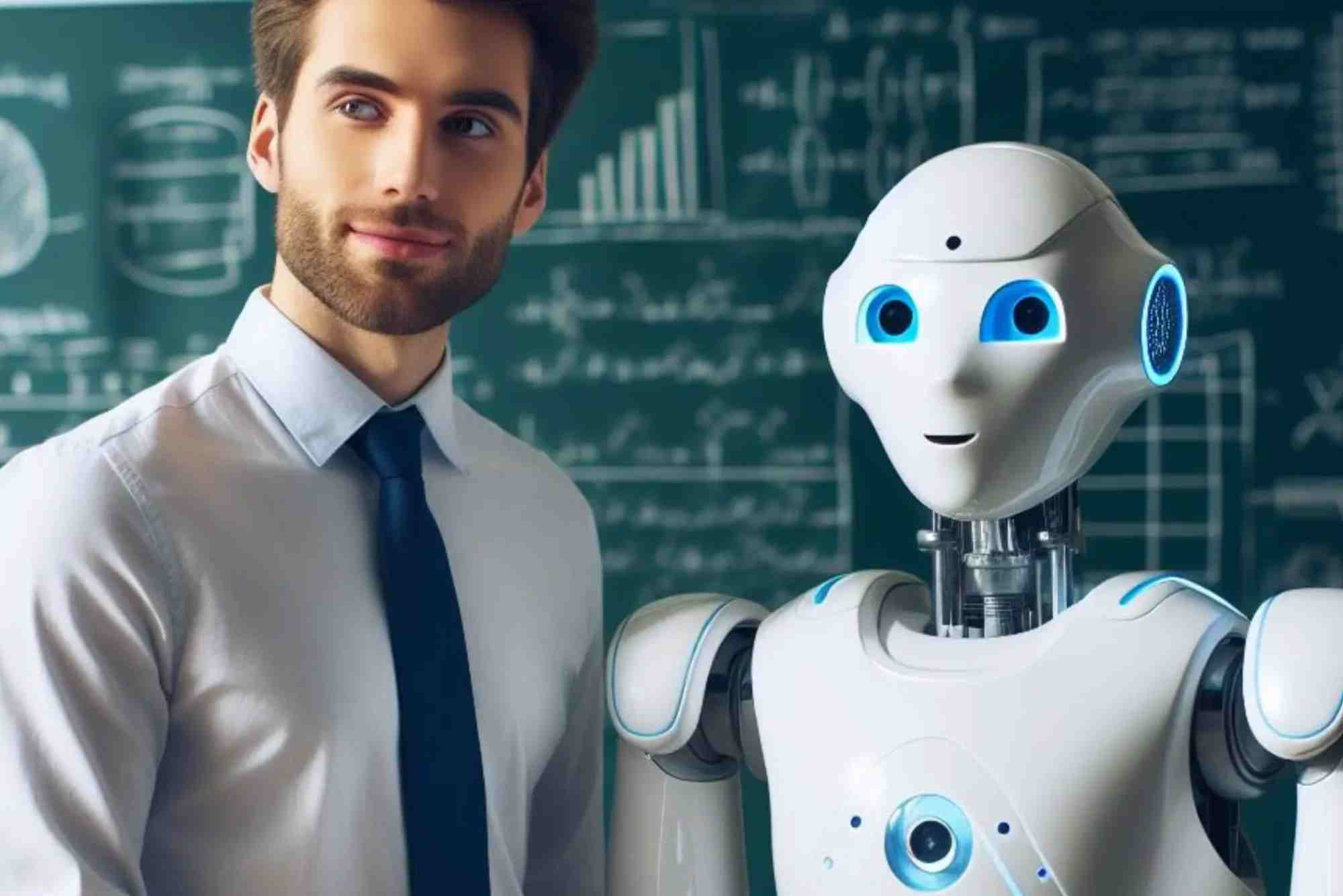
Experts generally agree that technology will not replace teachers but will transform their roles. The future classroom will likely blend digital tools with human guidance. Teachers may become facilitators and mentors, guiding students through personalized learning paths supported by technology.
Education futurist Dr. John Doe explains, “Technology can handle content delivery and routine tasks, but the emotional and social intelligence of teachers remains irreplaceable.”
This perspective suggests a hybrid model where technology enhances education but does not remove the essential human touch.
The Future Classroom: What to Expect
In the future, classrooms will be more dynamic and tech-integrated. Expect AI tutors that provide instant feedback, virtual labs for science experiments, and gamified learning to increase engagement. Teachers will rely on these tools to customize lessons, monitor progress, and intervene when necessary.
Hybrid learning models combining in-person and online classes will become more common, offering flexibility and accessibility. Teachers will need continuous professional development to stay updated on educational technologies and effectively integrate them.
How Students Benefit from a Tech-Enhanced Classroom
Students gain a lot from technology-driven education. Personalized learning helps them progress at their own pace, reducing frustration and boredom. Interactive tools make learning more engaging and practical.
At the same time, human teachers ensure that students develop interpersonal skills and receive emotional support. This balance nurtures well-rounded individuals prepared for real-world challenges.
Technology as a Partner, Not a Replacement
So, will technology replace teachers? The answer is no—technology will not replace teachers but will transform how teaching happens. Teachers and technology together create richer, more effective learning experiences.
If you’re an educator, embrace new technologies as allies that help you reach every student better. If you’re a student or parent, support teachers by encouraging the use of digital tools while appreciating the human guidance that technology cannot replicate.
FAQs
Will technology replace teachers completely?
No, technology cannot fully replace teachers because it lacks emotional intelligence and the ability to foster human connections crucial for learning.
How is technology changing the role of teachers?
Technology allows teachers to focus more on mentorship and personalized instruction while automating routine tasks like grading.
Can online learning replace traditional classrooms?
Online learning offers flexibility and access but usually cannot fully replace the social and emotional benefits of in-person classrooms.
What are the biggest challenges of using technology in education?
Challenges include digital inequality, potential distractions, and the lack of emotional understanding by AI systems.
How can teachers prepare for the future of technology in classrooms?
Teachers should pursue ongoing training in educational technologies and adapt to hybrid teaching models to effectively integrate digital tools.