
Introduction
If your dog is suddenly shaking their head, scratching one ear repeatedly, or developing an unusual smell around the ears, you may be wondering whether an infection is starting. Signs of dog ear infections can be easy to overlook at first, but early attention can prevent a minor ear problem from becoming painful or more difficult to treat.
Dog ear infections are commonly associated with yeast, bacteria, or a combination of both. Allergies, moisture, ear anatomy, parasites, wax buildup, and other underlying problems can also contribute. The tricky part is that yeast and bacterial infections can look remarkably similar from the outside. A dark discharge or unpleasant smell may provide clues, but it cannot reliably tell you which organism is responsible.
Understanding the signs of dog ear infections, knowing the difference between yeast and bacterial problems, and learning when home cleaning is appropriate can help you make better decisions about your dog’s ear health. Veterinary examination is especially important when an ear is painful, inflamed, or producing significant discharge.
What Are the Signs of Dog Ear Infections?
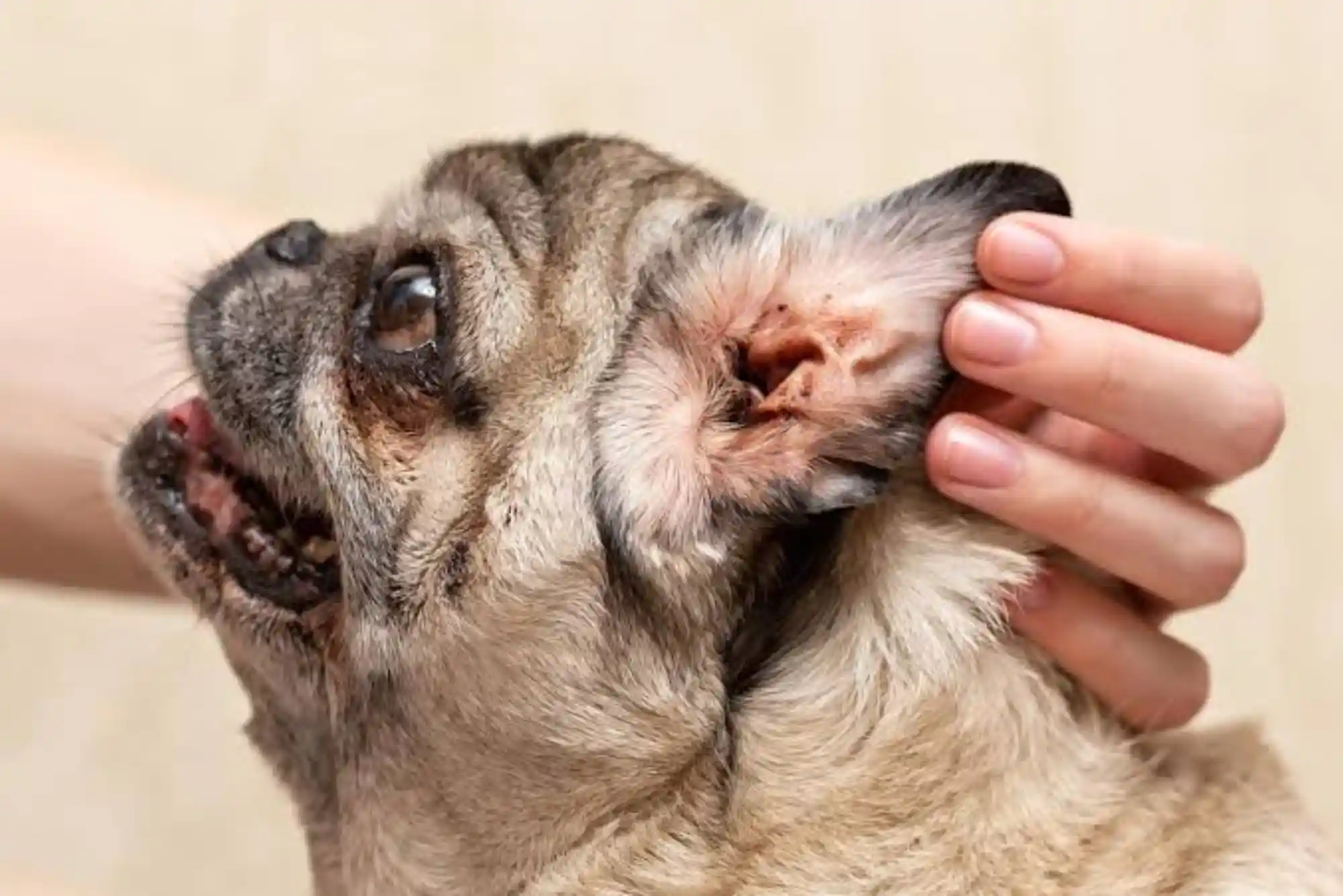
One of the first signs of dog ear infections is a change in your dog’s behavior. A dog that normally ignores its ears may begin scratching, rubbing its head against furniture, or shaking its head frequently. These behaviors often indicate irritation or discomfort inside the ear canal.
Other common signs include redness, swelling, an unpleasant odor, discharge, crusting, and sensitivity when the ear is touched. Some dogs become noticeably less comfortable when eating or when their head is handled because movement can put pressure on an inflamed ear.
The discharge may range from brown and waxy to yellowish or darker material. However, discharge color alone is not enough to identify the cause. Yeast, bacteria, parasites, and mixed infections can produce overlapping symptoms. Veterinary sources recommend examination and, when appropriate, ear cytology to identify what is actually present.

A healthy dog’s ear is generally comfortable, relatively clean, and free of a strong odor. A sudden change from that normal appearance is worth paying attention to.
Yeast vs Bacterial Dog Ear Infections
Knowing whether an infection is caused by yeast or bacteria matters because the treatments are different. Unfortunately, owners usually cannot make a reliable diagnosis simply by looking at the ear.
Signs of a Yeast Ear Infection in Dogs
Yeast is normally found on a dog’s skin in small amounts. Problems occur when it multiplies excessively, often in a warm, moist, irritated environment.
One of the more recognizable signs of dog ear infections associated with yeast is a strong musty or yeasty odor. The ear may contain brown, waxy material, while the skin can appear red, irritated, or thickened.
Dogs with yeast-related ear problems often scratch or rub their ears and may shake their heads repeatedly. Some also develop recurrent ear infections because an underlying condition, particularly allergies, continues to cause inflammation.
Moisture can be an important factor. Dogs that swim frequently or have floppy ears may retain moisture in the ear canal, creating conditions that favor yeast growth. Allergies can also disrupt the normal skin barrier and contribute to recurring ear problems.
Signs of a Bacterial Ear Infection in Dogs
Bacterial infections can cause many of the same symptoms as yeast infections. Affected dogs may have significant redness, swelling, pain, head shaking, scratching, and discharge.
The discharge may appear yellowish or contain pus-like material, and the ear can have a strong unpleasant odor. However, these features are not definitive. Bacteria and yeast can occur together, meaning a dog may have a mixed infection requiring treatment directed at both.
This is why simply choosing an antibiotic or antifungal product based on the appearance of the discharge can be misleading. A veterinarian can examine a sample under a microscope to determine whether yeast, bacteria, or another problem is involved.
Can You Tell Which One It Is at Home?
Not reliably. The smell and appearance of an ear may suggest a particular type of infection, but they are not enough to confirm the diagnosis.
For example, dark discharge can occur with yeast, but it can also be associated with other causes. Similarly, yellow discharge may occur with bacterial infection but does not automatically prove that bacteria are the only problem.
Veterinarians commonly use an otoscopic examination and ear cytology to investigate these cases. Cytology involves examining material from the ear under a microscope, allowing the veterinarian to look for yeast, bacteria, inflammatory cells, and other clues.
What Causes Dog Ear Infections?
An ear infection usually develops because something has disrupted the normal environment of the ear. Moisture is one common factor, particularly after swimming or bathing.
Allergies are another important cause. Dogs with environmental or food-related allergies may develop inflammation in the skin lining the ear canal. That inflammation can alter the ear’s natural defenses and make secondary yeast or bacterial overgrowth more likely.
The shape of a dog’s ear also matters. The canine ear canal is relatively deep and has an L-shaped structure, which can make it difficult for moisture and debris to escape. Dogs with floppy or hairy ears may therefore be more susceptible to recurring problems.
Ear mites, foreign objects, excessive wax, trauma from scratching, and some underlying hormonal or immune-related conditions can also contribute.
This is particularly important when infections keep returning. Treating the infection may provide temporary relief, but identifying the underlying trigger can be essential for preventing another episode.
Can You Clean a Dog’s Ears at Home?
Home ear cleaning can be useful for routine maintenance when your veterinarian has recommended it and the ears are otherwise healthy. It is not, however, a substitute for diagnosing an active infection.
If an ear is very red, swollen, painful, or producing a strong odor and significant discharge, aggressive cleaning may irritate the inflamed tissue. Veterinary guidance recommends having suspected infections examined rather than repeatedly cleaning them at home and hoping the problem disappears.
For routine cleaning, use a veterinary-approved dog ear-cleaning solution. Avoid putting household products into the ear unless a veterinarian has specifically recommended them.
Hydrogen peroxide and alcohol-based products can irritate an already inflamed ear canal, and cotton swabs should not be pushed down into the canal because they can move debris deeper or injure sensitive tissue.
How to Clean Healthy Dog Ears Safely
If your veterinarian has confirmed that routine cleaning is appropriate, start by keeping your dog calm and comfortable. Gently lift the ear flap and apply the recommended ear-cleaning solution without forcing the bottle tip deep into the canal.
Massage the base of the ear gently for around 30 seconds. This helps loosen material inside the canal. Allow your dog to shake their head, then wipe away loosened debris from the visible parts of the ear with clean gauze or another veterinarian-approved material.
Do not dig into the ear canal. The goal is to loosen and remove accessible debris rather than trying to scrape the ear completely clean.
If your dog appears painful, frightened, or unusually resistant, stop. Resistance can be a sign that the ear is already sore.
What Not to Do When Your Dog Has an Ear Infection
One of the most common mistakes is repeatedly cleaning an infected ear without knowing what caused the problem. Cleaning may remove some discharge, but it does not necessarily eliminate the infection.
Another mistake is using leftover medication from a previous ear infection. An old prescription may not be appropriate for the current problem, particularly if the cause has changed or the eardrum is damaged.
Avoid inserting cotton swabs deep into the ear. Never assume that a strong-smelling ear simply needs more frequent cleaning either. Over-cleaning can irritate the ear canal and may make the problem worse.
It is also important not to assume every ear problem is yeast or bacteria. Ear mites, foreign bodies, allergies, and other conditions can produce similar symptoms.
When Should a Dog See a Veterinarian?
If you notice several signs of dog ear infections, especially pain, redness, swelling, discharge, or a strong odor, arrange a veterinary examination.
Prompt veterinary attention is particularly important if your dog has severe pain, a persistent or recurring infection, hearing changes, a head tilt, difficulty walking, loss of balance, or unusual eye movements. These symptoms can indicate that disease has extended beyond the external ear.
Recurring infections also deserve investigation. If your dog seems to improve after treatment but develops another ear infection weeks or months later, allergies or another underlying problem may be contributing.
A veterinarian may examine the ear with an otoscope and collect a sample for cytology. In more complicated or persistent cases, additional testing such as culture may be recommended.
How Are Yeast and Bacterial Ear Infections Treated?
Treatment depends on what the veterinarian finds.
Yeast infections are generally treated with appropriate ear cleaning and topical antifungal medication. Bacterial infections may require topical antibiotic medication, while more severe cases can sometimes require additional medication.
Mixed infections are also possible, so treatment may need to address both yeast and bacteria. Anti-inflammatory medication may be included when swelling and discomfort are significant.
The underlying cause matters just as much as the infection itself. If allergies are responsible for repeated inflammation, simply treating each individual infection without addressing the allergies may lead to another cycle.
Follow the veterinarian’s instructions carefully and complete prescribed treatment even if your dog appears better. Stopping treatment too early can contribute to recurrence and other treatment difficulties.
How to Prevent Dog Ear Infections
Prevention starts with knowing what is normal for your dog. Check the ears regularly for changes in smell, redness, wax, discharge, or sensitivity.
Keeping ears dry after swimming and bathing is especially helpful for dogs that are prone to ear problems. Moisture can encourage microbial overgrowth, so gently drying the ears after they become wet is an important part of routine care.
Cleaning frequency should be individualized. Some dogs need routine cleaning, while others may not need frequent cleaning at all. Excessive cleaning can irritate the ear and interfere with its normal protective environment.
If your dog repeatedly develops ear infections, talk with your veterinarian about allergies, parasites, ear anatomy, and other possible triggers rather than simply increasing the cleaning schedule.
Take Dog Ear Problems Seriously
Recognizing the signs of dog ear infections early can make a significant difference to your dog’s comfort and long-term ear health. Head shaking, scratching, redness, unusual odor, discharge, and pain should not be ignored, particularly when several symptoms appear together.
Although yeast and bacterial infections can have different characteristics, their symptoms overlap enough that appearance alone cannot provide a reliable diagnosis. Proper veterinary examination is the safest way to determine the cause and choose appropriate treatment.
FAQs
What are the signs of a dog ear infection?
Common signs of dog ear infections include frequent head shaking, scratching or rubbing the ear, redness, swelling, unpleasant odor, discharge, crusting, and pain when the ear is touched. More serious infections may cause hearing changes, head tilting, or balance problems.
What does a bacterial ear infection in a dog look like?
A bacterial ear infection can cause a red, swollen, painful ear with discharge and a strong unpleasant odor. The discharge may be yellowish, but appearance alone cannot confirm a bacterial infection because yeast and mixed infections can produce similar signs.
How can I tell if my dog’s ear infection is bacterial or yeast?
You usually cannot tell with certainty at home. Yeast may produce a musty odor and dark, waxy material, while bacterial infections can produce inflammation and yellowish discharge, but the symptoms overlap. A veterinarian can examine an ear sample under a microscope to identify the organisms involved.
Can I clean my dog’s ears at home if they have an infection?
If an infection is suspected, it is best to have your dog examined before attempting repeated or aggressive cleaning. A veterinarian can determine whether cleaning is appropriate and recommend a suitable ear-cleaning solution. Painful or inflamed ears may be irritated by improper cleaning.
Can a dog’s ear infection go away on its own?
It is not a good idea to rely on an ear infection resolving on its own. Untreated infections can become chronic or extend into the middle or inner ear. Prompt veterinary evaluation can help identify the cause and prevent complications.
How often should I clean my dog’s ears?
There is no single schedule that is right for every dog. Some dogs need regular cleaning, while others need very little. Cleaning too frequently can cause irritation, so your veterinarian can recommend an appropriate routine based on your dog’s ear health and individual risk factors.