Introduction
A dog that constantly scratches, licks its paws, or rubs against furniture may be dealing with more than ordinary dirt. Fleas, allergies, dry skin, bacterial infections, yeast overgrowth, and other skin conditions can all cause itching. Choosing the right dog shampoos for itchy sensitive skin and flea relief can help remove irritants, soothe discomfort, and support a healthier skin barrier.
However, shampoo should match the reason your dog is itchy. A gentle moisturizing shampoo may be appropriate for dry or mildly irritated skin, while a veterinary medicated shampoo may be needed when infection or significant inflammation is involved. Flea shampoo can help remove adult fleas, but it should not be considered a complete flea-control program.
This guide explains what to look for in dog shampoos for itchy sensitive skin and flea relief, which ingredients may be useful, how to bathe an itchy dog safely, and when professional veterinary care is more appropriate.
Why Dogs Develop Itchy and Sensitive Skin
Itching, medically called pruritus, is a symptom rather than a specific disease. Common causes include parasites, infections, environmental allergies, food allergies, and reactions to irritating substances. Fleas are particularly important because some dogs develop flea allergy dermatitis, an exaggerated reaction to proteins in flea saliva.
A dog with flea allergy dermatitis may become intensely itchy around the lower back, tail base, and rear thighs. Even a small number of flea bites can cause significant discomfort in a sensitive dog.
Other dogs develop itching after exposure to pollen, dust, mold, grooming products, or other environmental triggers. Bacterial and yeast infections can also cause scratching, redness, odor, scaling, and hair loss.

That is why the best dog shampoos for itchy sensitive skin and flea relief are not necessarily the same for every dog. The shampoo should address the skin problem without unnecessarily irritating an already damaged skin barrier.
What to Look for in Dog Shampoos for Itchy Sensitive Skin and Flea Relief
The ingredient list matters more than attractive packaging or a long list of botanical claims. Look for products formulated specifically for dogs and selected according to your pet’s skin condition.
Oatmeal for Mild Irritation and Dryness
Colloidal oatmeal is commonly used in soothing dog shampoos designed for dry or sensitive skin. It can help make bathing more comfortable while cleansing away dirt and environmental allergens.
An oatmeal-based shampoo may be particularly useful when the skin is mildly dry or irritated but there are no obvious signs of infection.
It is important to remember that soothing ingredients manage discomfort; they do not eliminate fleas, treat every allergy, or cure a bacterial or fungal infection.
Moisturizing Ingredients for the Skin Barrier
Dogs with dry, flaky skin may benefit from shampoos containing moisturizing or emollient ingredients. Veterinary dermatology references note that ingredients such as glycerin, lanolin, fatty acids, and certain oils can help reduce water loss from the skin.
These formulations are generally more appropriate when the skin is dry rather than excessively oily.
Chlorhexidine for Certain Skin Infections
Chlorhexidine is an antiseptic commonly used in veterinary dermatology. Depending on the formulation and diagnosis, it can help manage bacterial and some fungal skin problems. Veterinary references describe chlorhexidine-based shampoos, sometimes combined with antifungal ingredients such as miconazole or ketoconazole, as useful options for particular dermatological conditions.
Because medicated shampoos can also cause irritation or allergic reactions, they should be selected carefully. Chlorhexidine products should be used according to veterinary directions when treating a diagnosed skin problem.
Antifungal Ingredients When Yeast Is Involved
A dog with yeast dermatitis may have greasy skin, redness, scaling, hair loss, or a noticeable odor. Shampoos containing combinations such as chlorhexidine and miconazole may be recommended by veterinarians for appropriate cases.
A soothing shampoo alone cannot reliably eliminate an established infection. If your dog’s skin is persistently inflamed or smells unusual, identifying the underlying problem is more important than repeatedly changing shampoos.
Flea-Control Ingredients Require Extra Care
Flea shampoos are formulated to kill or remove fleas during bathing. However, veterinary guidance notes that flea shampoos generally do not provide sufficient long-term control for a serious infestation.
Products containing pyrethrins or pyrethroids can be used in appropriately labeled dog products, but incorrect exposure can cause adverse effects. Cats are particularly sensitive to many pyrethroids, so never assume a dog flea product is safe for a cat.
For that reason, always follow the product label and your veterinarian’s advice, especially if your household includes both dogs and cats.
Choosing the Right Shampoo for Your Dog’s Skin Problem
The most useful approach is to match the shampoo to what you actually see.
If your dog’s main problem is mild dryness, flaky skin, or irritation after outdoor activity, a gentle moisturizing or oatmeal-based shampoo may be appropriate.
If your dog has greasy skin, significant scaling, odor, or recurring inflammation, a veterinary medicated shampoo may be more suitable. Ingredients such as chlorhexidine, miconazole, ketoconazole, sulfur, or salicylic acid may be used for particular conditions, but the right choice depends on the diagnosis.
If you can see fleas or flea dirt, a flea-control strategy is necessary rather than simply choosing a stronger shampoo. Flea allergy dermatitis requires elimination of existing fleas, environmental control, and prevention of future infestations.
This distinction is important because repeatedly bathing an itchy dog with increasingly strong products can sometimes make sensitive skin worse.
How to Use Dog Shampoos for Itchy Sensitive Skin and Flea Relief
Bathing technique can make a surprisingly large difference.
Brush Before the Bath
Brush your dog’s coat before adding water. Removing loose fur and tangles allows the shampoo to reach the skin more evenly. Veterinary dermatology guidance specifically recommends thorough combing before medicated shampoo treatment.
Use Lukewarm Water
Very hot water can increase discomfort and may further dry irritated skin. Lukewarm water is generally more comfortable for a dog with sensitive skin.
Wet the coat thoroughly before applying shampoo. Work gently rather than aggressively scrubbing red or damaged areas.
Follow the Product’s Contact Time
Some medicated shampoos need to remain on the coat for a specific period before rinsing. Washing them off immediately can reduce their effectiveness.
Follow the manufacturer’s instructions or your veterinarian’s directions rather than guessing the contact time.
Rinse Extremely Well
Leftover shampoo can irritate sensitive skin. Spend enough time rinsing until the water runs clear and there is no slippery residue in the coat.
This step becomes especially important for dogs with thick or double coats, where shampoo can remain close to the skin.
Dry the Coat Properly
After rinsing, gently towel-dry your dog. Make sure the coat is thoroughly dry, particularly around skin folds, paws, and other areas where moisture can remain trapped.
If your dog has a skin infection or recurrent irritation, keeping the coat clean and appropriately dry can support the overall treatment plan.
Can Flea Shampoo Stop a Flea Infestation?
Flea shampoo can be useful for washing away or killing adult fleas during a bath, but it should not be viewed as the entire solution.
Fleas have a life cycle that extends beyond the dog. Eggs and immature flea stages can remain in the surrounding environment. Veterinary guidance therefore recommends addressing the affected pet, other pets in the household, and the environment when managing flea allergy dermatitis.
A veterinarian can recommend an appropriate ongoing flea preventive based on your dog’s age, weight, health, lifestyle, and local parasite risk.
If your dog remains itchy after fleas appear to be gone, do not automatically assume the shampoo failed. Flea allergy, secondary infection, or another skin condition may still be contributing to the itching.
Ingredients and Products to Approach Carefully
Sensitive skin does not always respond well to stronger or heavily fragranced products. If a shampoo causes redness, increased scratching, swelling, or obvious discomfort, stop using it and contact your veterinarian.
Avoid using human shampoo unless your veterinarian specifically recommends it. Veterinary references emphasize choosing shampoos according to the animal’s skin condition rather than substituting human products.
You should also be cautious with essential oils and homemade flea remedies. “Natural” does not automatically mean harmless, especially when concentrated substances are applied directly to irritated skin or used around cats.
For flea products containing insecticides, check the species, age, and weight restrictions carefully. Never use a product intended for another species without professional guidance.
When Shampoo Is Not Enough
A bath can provide valuable supportive care, but persistent itching deserves investigation.
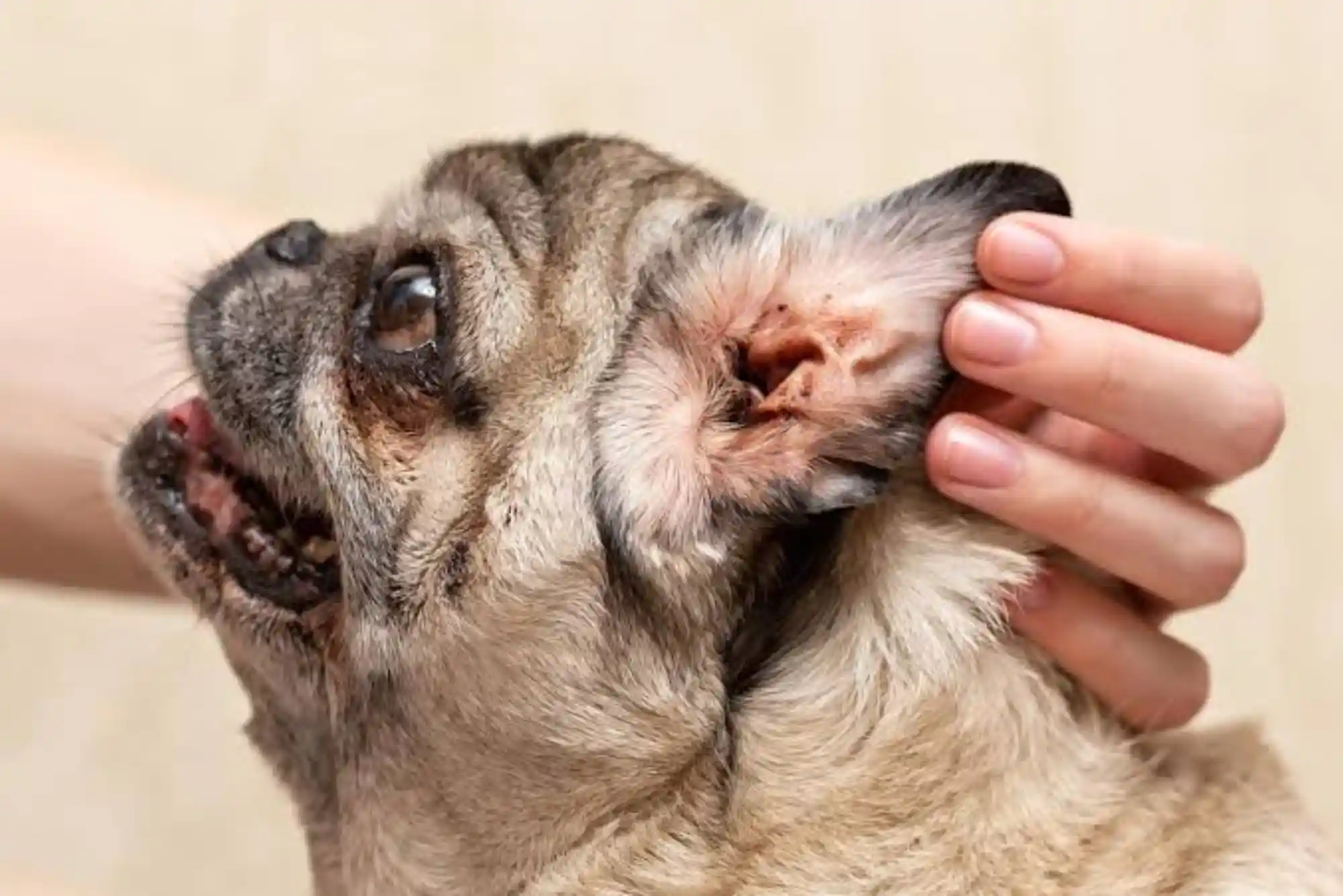
Contact a veterinarian if your dog has intense or ongoing scratching, open wounds, bleeding, significant hair loss, strong odor, pus, widespread redness, recurring ear problems, or severe discomfort.
Veterinary examination is particularly important when itching does not improve despite appropriate flea control and gentle skin care. Dogs can have several problems at the same time, such as flea allergy combined with a bacterial or yeast infection.
If an infection is suspected, a veterinarian may examine skin samples to identify bacteria or yeast and select treatment accordingly.
How Often Should You Bathe an Itchy Dog?
There is no universal bathing schedule for every dog.
Some dogs with allergies or specific dermatological conditions may benefit from regular bathing because it helps remove allergens from the coat. Merck Veterinary Manual notes that weekly to biweekly bathing can be part of management for canine atopic dermatitis, depending on the individual treatment plan.
Other dogs may become dry or irritated if they are bathed too frequently with unsuitable products.
Your dog’s coat type, skin condition, lifestyle, shampoo formulation, and veterinary treatment plan should determine the appropriate schedule.
The Best Approach to Sensitive Skin and Flea Relief
The most sensible way to choose dog shampoos for itchy sensitive skin and flea relief is to identify the likely cause first.
For simple dryness, prioritize a gentle, moisturizing formula. For suspected bacterial or yeast problems, ask your veterinarian whether a medicated shampoo is appropriate. For fleas, use shampoo as part of a comprehensive parasite-control strategy rather than relying on bathing alone.
Most importantly, watch how your dog responds. A shampoo that makes the skin noticeably redder, drier, or itchier is not the right product, regardless of how popular it may be.
FAQs
What shampoo is best for a dog with itchy skin?
The best shampoo depends on why the dog is itchy. For mild dryness or irritation, a gentle moisturizing or oatmeal-based dog shampoo may help. If itching is caused by fleas, infection, or allergies, the dog may need a more targeted treatment. Persistent itching should be evaluated by a veterinarian because itching itself is a symptom rather than a diagnosis.
What shampoo kills fleas and soothes itchy skin?
A properly labeled flea shampoo can kill or remove adult fleas during bathing, while a gentle formulation may also help cleanse irritated skin. However, flea shampoo alone usually does not provide complete or lasting flea control. A comprehensive prevention plan is generally needed for an infestation or flea allergy dermatitis.
Can I use oatmeal shampoo on my dog every week?
Some dogs can tolerate regular bathing with a gentle oatmeal-based shampoo, but the appropriate frequency depends on the dog’s skin, coat, lifestyle, and the specific product. Dogs receiving treatment for allergies or skin disease may have a veterinarian-directed bathing schedule.
Is medicated shampoo safe for dogs with sensitive skin?
It can be, when the correct product is chosen for the dog’s condition and used as directed. However, medicated shampoos can sometimes cause irritation or allergic reactions. Chlorhexidine, for example, can cause redness or irritation in some animals.
How can I tell if my dog’s itching is caused by fleas?
Look for fleas or flea dirt, particularly around the tail base and lower back. Dogs with flea allergy dermatitis often develop intense itching and small crusted lesions around the tailhead, lower back, and rear thighs. A veterinarian can help distinguish flea allergy from allergies, infections, mites, and other causes.
Can bathing help a dog with allergies?
Yes. Bathing can remove allergens from the coat and may reduce the amount of allergen contacting the skin. Veterinary guidance recognizes regular bathing as one component of allergen avoidance for dogs with atopic dermatitis.
Should I use human shampoo on my dog?
It is generally better to use a shampoo specifically formulated for dogs. Human and veterinary products are designed for different purposes, and inappropriate products may irritate an already sensitive skin barrier. Ask your veterinarian before substituting human shampoo for a canine product.
Finding the right dog shampoos for itchy sensitive skin and flea relief starts with understanding the cause of the itching. A mild moisturizing shampoo can be helpful for dry, irritated skin, while ingredients such as chlorhexidine or antifungal agents may have a role when a veterinarian identifies infection. Flea shampoos can help during bathing, but effective flea management requires more than washing the coat.