Collecting: A Complete Guide to Building Meaningful Collections
Collecting is a hobby that has fascinated people for centuries. Whether it involves stamps, coins, books, artwork, vintage toys, or rare memorabilia, collecting offers a unique combination of personal enjoyment, education, and potential financial value. Many people begin collecting because of a simple interest in a particular subject, only to discover that their hobby grows into a lifelong passion.
The world of collecting is vast and diverse. Some collectors focus on preserving history, while others seek rare and valuable items. Regardless of the motivation, collecting provides opportunities to learn, connect with like-minded enthusiasts, and create something truly meaningful over time.
This guide explores the fundamentals of collecting, its benefits, strategies for success, and practical tips to help beginners and experienced collectors alike.
What Is Collecting?
Collecting is the process of acquiring, organizing, and maintaining items that share a common theme, category, or significance. Unlike casual accumulation, collecting involves purpose and intentionality. A collection is usually built around personal interests, historical importance, rarity, or aesthetic value.
People collect a wide variety of items, including books, coins, sports cards, antiques, artwork, vinyl records, comics, and cultural artifacts. Each collection tells a story about both the items themselves and the person who gathers them.
Why People Enjoy Collecting
The popularity of collecting spans cultures, generations, and interests. There are many reasons why people become passionate collectors.

Personal Satisfaction
Collecting provides a sense of accomplishment. Finding a rare item, completing a set, or discovering a unique piece can be highly rewarding.
Connection to History
Many collections preserve historical moments and cultural heritage. Collectors often become experts in the history surrounding their chosen items.
Learning Opportunities
Collecting encourages research and education. As collectors learn more about their items, they develop specialized knowledge that can be both personally and professionally valuable.
Investment Potential
Some collectibles increase in value over time. While financial gain should not be the sole reason for collecting, certain items can become valuable assets.
Community and Networking
Collectors often participate in clubs, conventions, online forums, and exhibitions where they can share experiences and knowledge with others.
Choosing What to Collect
One of the most important decisions in collecting is selecting a category that genuinely interests you. A strong personal connection helps maintain enthusiasm over the long term.
Follow Your Interests
Choose items that align with your passions. Whether you love history, sports, art, or technology, there is likely a collecting niche that fits your interests.
Research the Market
Before investing significant time or money, learn about the market for your chosen category. Understanding demand, rarity, and pricing trends can help you make informed decisions.
Consider Storage Requirements
Different collections require different levels of care. Books, artwork, and antiques may need controlled environments, while digital collectibles require secure storage systems.
Set a Budget
Collecting can be affordable or expensive depending on the category. Establishing a realistic budget prevents overspending and ensures long-term enjoyment.
The Benefits of Collecting
Collecting offers numerous advantages beyond simply owning interesting objects.
Stress Relief and Relaxation
Many people find collecting therapeutic. The process of searching for, organizing, and displaying items can be calming and enjoyable.
Improved Knowledge
Collectors often develop expertise in specific fields. Over time, they gain insights into history, manufacturing techniques, cultural significance, and market trends.
Goal Achievement
Building a collection involves setting goals and working toward them. Completing a series or obtaining a rare item creates a strong sense of achievement.
Preservation of Heritage
Many collectors help preserve historical artifacts and cultural treasures that might otherwise be lost.
Creative Expression
Collections often reflect the collector’s personality, interests, and creativity. Displaying items can become a form of personal expression.
How to Start Collecting Successfully
Beginning a collection does not require extensive experience. Following a few basic principles can help create a strong foundation.
Start Small
Many successful collectors begin with a single item. Starting small allows you to learn about the field before making larger investments.
Learn From Experts
Books, websites, collector associations, and experienced enthusiasts can provide valuable guidance and insights.
Document Your Collection
Maintaining records helps track purchases, values, conditions, and historical information. Documentation also becomes useful for insurance and future sales.
Focus on Quality
While quantity can be impressive, quality often has greater long-term significance and value.
Be Patient
Collecting is a journey rather than a race. Rare and meaningful items may take years to find.
Common Types of Collecting
The collecting world includes countless categories. Some of the most popular forms of collecting include:
Coin Collecting
Coin collecting combines history, art, and investment opportunities. Collectors often focus on specific countries, time periods, or rare editions.
Stamp Collecting
Stamp collecting remains one of the world’s most popular hobbies. Stamps often showcase historical events, cultural themes, and artistic designs.
Book Collecting
Rare books, first editions, and signed copies attract collectors who appreciate literature and publishing history.
Art Collecting
Art collecting can involve paintings, sculptures, photographs, and contemporary works. Many collectors focus on specific artists or artistic movements.
Sports Memorabilia Collecting
Sports enthusiasts frequently collect trading cards, jerseys, autographs, and event-related items.
Vintage Toy Collecting
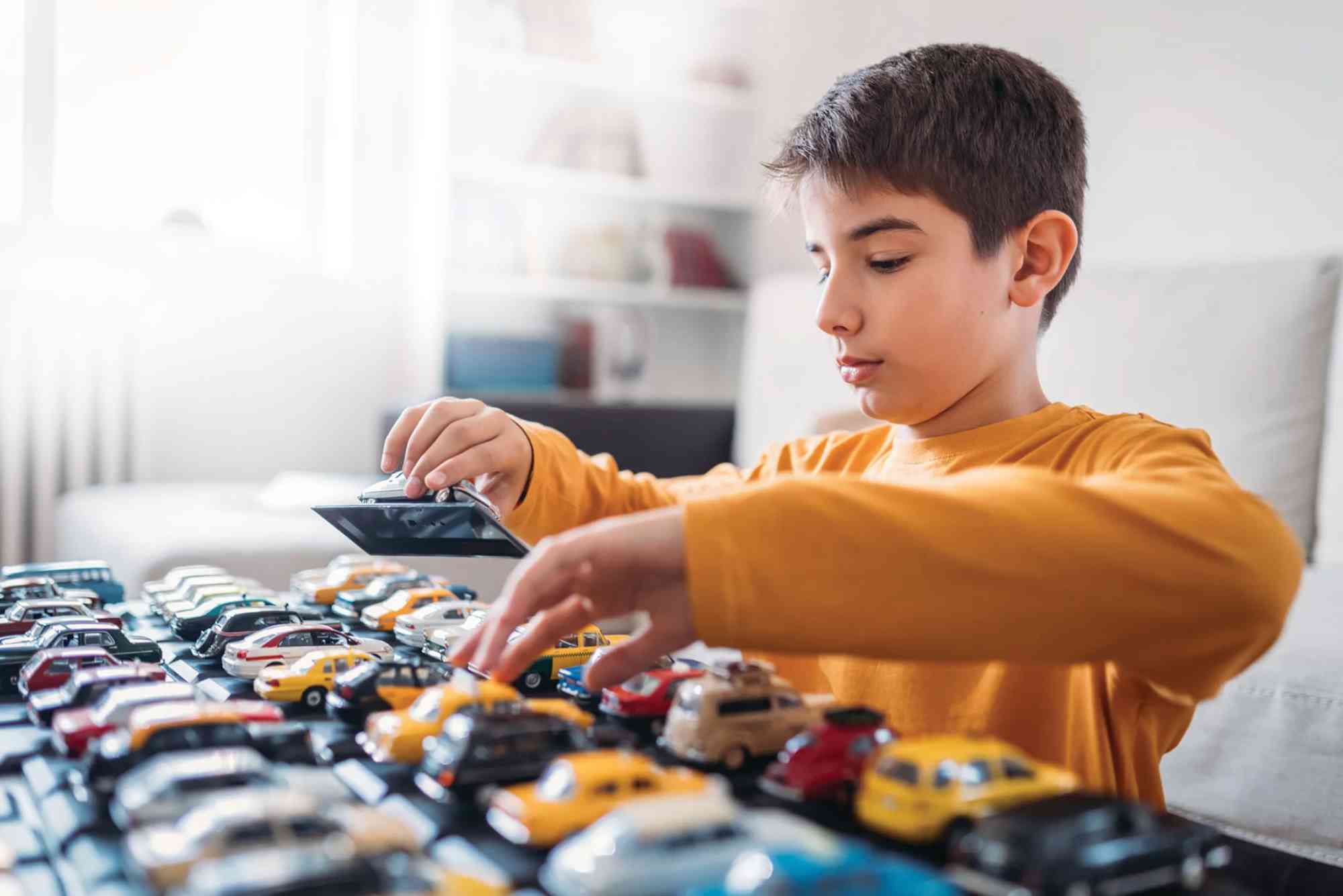
Vintage toys often carry nostalgia and historical significance, making them highly desirable among collectors.
Understanding Value in Collecting
Determining value is a critical aspect of collecting. Several factors influence how much an item may be worth.
Rarity
Items produced in limited quantities or those that have survived in small numbers are often more valuable.
Condition
Well-preserved items generally command higher prices than damaged or heavily worn examples.
Authenticity
Verified authenticity significantly affects value. Certificates, expert opinions, and documented provenance can increase buyer confidence.
Demand
Market demand plays a major role in pricing. Highly sought-after collectibles often appreciate in value.
Historical Significance
Items associated with important events, people, or periods may carry additional value.
Challenges in Collecting
Although collecting can be rewarding, it also presents certain challenges.
Counterfeit Items
Fake collectibles exist in many markets. Thorough research and reputable sellers help reduce risk.
Storage and Preservation
Improper storage can damage valuable items. Environmental control and protective materials are often necessary.
Market Fluctuations
The value of collectibles can rise and fall depending on trends and economic conditions.
Limited Availability
Rare items may be difficult to locate, requiring patience and persistence.
Tips for Building an Exceptional Collection
Successful collecting often comes down to strategy and consistency.
Develop Expertise
Knowledge is one of the most valuable assets a collector can possess. The more you learn, the better your purchasing decisions become.
Network With Other Collectors
Relationships within the collecting community can lead to valuable opportunities and information.
Attend Events
Trade shows, exhibitions, auctions, and conventions provide access to rare items and expert insights.
Maintain Proper Records
Detailed documentation improves organization and protects your investment.
Collect What You Love
The most satisfying collections are built around genuine passion rather than purely financial motivations.
The Future of Collecting
Technology continues to influence collecting in new ways. Online marketplaces, digital archives, virtual communities, and blockchain-based collectibles have expanded opportunities for collectors worldwide.
Despite technological advancements, the fundamental appeal of collecting remains unchanged. People continue to seek meaningful connections with history, culture, creativity, and personal interests through their collections.
CRM marketing helps businesses build stronger relationships with customers by using customer data to create personalized experiences. Through targeted emails, follow-ups, and tailored offers, companies can improve customer satisfaction, increase loyalty, and boost sales. Effective CRM marketing enables businesses to understand customer needs, enhance engagement, and achieve long-term growth.
FAQs
What is the purpose of collecting?
Collecting allows individuals to preserve items of personal, historical, cultural, or financial significance while enjoying a rewarding hobby.
What are the most popular things people collect?
Common collectibles include coins, stamps, books, artwork, sports memorabilia, trading cards, antiques, and vintage toys.
Can collecting be profitable?
Yes, some collectibles appreciate in value over time. However, collecting should primarily be driven by interest and enjoyment rather than investment expectations.
How do I start collecting as a beginner?
Choose a category that interests you, research the market, set a budget, start small, and learn from experienced collectors.
How can I determine the value of collectibles?
Value is influenced by rarity, condition, authenticity, demand, and historical significance. Professional appraisals can provide accurate assessments.
What are the biggest mistakes new collectors make?
Common mistakes include insufficient research, overspending, neglecting item preservation, and purchasing collectibles without verifying authenticity.
How should collectibles be stored?
Storage depends on the type of collectible. Generally, items should be protected from moisture, sunlight, extreme temperatures, and physical damage.
Related Reading: Explain Monetary Policy
Related Reading: How To Be A Leader At Work — full guide
Related Reading: Thank You Email For Offering Job
Related Reading: The Hidden Cost of Nutrient Deficiencies — full guide