Introduction
A Fleet Tracking System has become an essential tool for businesses that rely on vehicles for transportation, deliveries, field services, or logistics. Whether a company manages five vehicles or thousands, knowing where every vehicle is, how it is being driven, and how efficiently it operates can significantly improve productivity and reduce operational costs.
Modern businesses face rising fuel prices, increasing customer expectations, and stricter compliance requirements. A fleet tracking system addresses these challenges by providing real-time visibility into vehicle locations, driver behavior, maintenance schedules, and route performance. Instead of relying on manual reporting, managers gain instant access to accurate data that helps them make informed decisions.
This guide explains everything you need to know about a fleet tracking system, including how it works, its benefits, features, implementation process, industry applications, and future trends.
What Is a Fleet Tracking System?
A Fleet Tracking System is a technology solution that monitors and manages commercial vehicles using GPS technology, mobile networks, and cloud-based software. It allows fleet managers to view the real-time location of every vehicle while collecting valuable operational data.
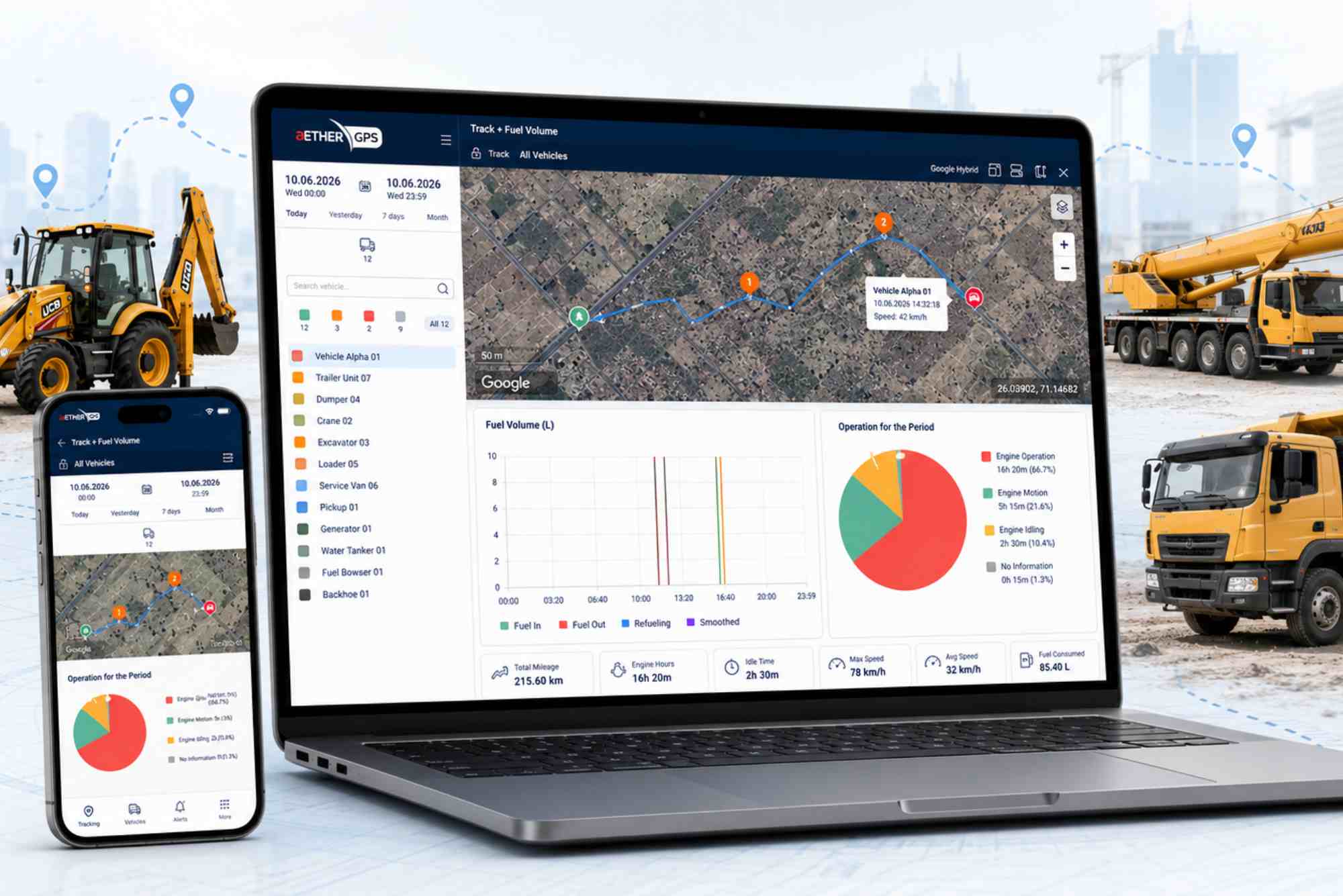
The system combines GPS hardware installed in vehicles with software that displays information through an online dashboard or mobile application. This data helps businesses monitor routes, driver performance, fuel usage, idle time, maintenance schedules, and delivery progress.
Unlike traditional vehicle monitoring methods, a fleet tracking system provides continuous updates, allowing businesses to react immediately to unexpected situations.

How a Fleet Tracking System Works
A fleet tracking system operates by combining multiple technologies into one integrated platform.
GPS Tracking Devices
Each vehicle is equipped with a GPS tracking device that continuously determines its location using satellite signals.
Mobile Data Transmission
The GPS device sends location information through cellular or satellite communication networks to secure cloud servers.
Cloud-Based Software
Fleet managers access the information through web-based software or mobile apps. The dashboard displays maps, reports, alerts, and historical data.
Real-Time Monitoring
The software continuously updates vehicle positions, allowing dispatchers to monitor movements and optimize operations instantly.
Key Features of a Fleet Tracking System
A modern fleet tracking system offers far more than simple vehicle location monitoring.
Real-Time Vehicle Tracking
Managers can instantly see the current location of every vehicle operating in the fleet.
Route Optimization
The software identifies the fastest and most efficient routes, reducing travel time and fuel consumption.
Driver Behavior Monitoring
The system records speeding, harsh braking, rapid acceleration, excessive idling, and other driving behaviors that impact safety and fuel efficiency.
Maintenance Scheduling
Automatic reminders help businesses perform routine vehicle maintenance before breakdowns occur.
Fuel Consumption Reports
Detailed fuel reports help identify inefficient vehicles, excessive idling, and unnecessary fuel expenses.
Geofencing
Managers can create virtual geographic boundaries that trigger notifications whenever vehicles enter or leave designated locations.
Trip History
Historical route data helps businesses verify deliveries, investigate incidents, and analyze operational performance.
Vehicle Diagnostics
Advanced systems connect with onboard diagnostics to monitor engine health and detect potential mechanical issues early.
Benefits of Using a Fleet Tracking System
Businesses across industries invest in fleet tracking because it delivers measurable improvements in daily operations.
Improved Operational Efficiency
Managers gain complete visibility into vehicle movements, making dispatching more efficient and reducing unnecessary travel.
Lower Fuel Costs
Fuel represents one of the largest fleet expenses. Route optimization and reduced idle time significantly decrease fuel consumption.
Better Customer Service
Customers receive more accurate delivery estimates because dispatchers know exactly where every vehicle is located.
Enhanced Driver Safety
Monitoring unsafe driving behaviors encourages responsible driving and reduces accident risks.
Reduced Vehicle Downtime
Preventive maintenance scheduling helps avoid unexpected repairs and costly breakdowns.
Higher Asset Security
If a vehicle is stolen, GPS tracking greatly improves recovery chances by providing real-time location information.
Accurate Payroll Records
Driver hours, mileage, and work schedules are automatically recorded, reducing administrative workload.
Improved Regulatory Compliance
Many industries require detailed records of vehicle operations. A fleet tracking system simplifies compliance by automatically storing operational data.
Industries That Benefit from Fleet Tracking Systems
Nearly every industry operating commercial vehicles can benefit from fleet tracking technology.
Logistics companies improve shipment visibility and delivery accuracy. Construction businesses monitor heavy equipment and service vehicles across multiple job sites. Utility providers coordinate technicians more efficiently while reducing travel time.
Healthcare organizations use fleet tracking for ambulance dispatch and medical transportation. Food delivery businesses improve delivery speed and maintain customer satisfaction. Public transportation agencies monitor buses and optimize routes.
Cleaning companies, maintenance providers, landscaping businesses, telecommunications contractors, and waste management services also rely heavily on fleet tracking systems to improve operational efficiency.
Choosing the Right Fleet Tracking System
Selecting the right fleet tracking system depends on business size, operational complexity, and long-term goals.
Businesses should evaluate software usability, reporting capabilities, mobile accessibility, hardware reliability, customer support, and system scalability. Integration with existing accounting, dispatch, or ERP software may also be important.
A good fleet tracking system should provide customizable dashboards, automated alerts, detailed reporting, and strong cybersecurity protections to safeguard business data.
Pricing should be considered alongside long-term value rather than focusing solely on the lowest monthly subscription.
Common Challenges During Implementation
Although a fleet tracking system offers significant benefits, businesses may encounter several challenges during deployment.
Some employees may initially resist monitoring because they misunderstand the purpose of the technology. Clear communication emphasizing safety, efficiency, and operational improvements can reduce these concerns.
Proper installation of GPS hardware is equally important. Incorrect installation may result in inaccurate tracking data or connectivity issues.
Training fleet managers and drivers ensures everyone understands how to use the system effectively and interpret the available reports.
Internet connectivity can also affect real-time updates in remote areas, although most systems store information until connections are restored.
Fleet Tracking System and Fuel Management
Fuel costs directly affect fleet profitability. A fleet tracking system helps businesses identify opportunities to reduce fuel expenses through data-driven decisions.
Managers can monitor excessive idling, unauthorized vehicle use, inefficient routes, and aggressive driving behaviors that increase fuel consumption.
The system also compares fuel purchases with actual mileage, helping identify potential fuel theft or reporting errors.
Over time, even small improvements in fuel efficiency can produce substantial annual savings for businesses operating large fleets.
Improving Driver Performance with Fleet Tracking
Driver performance plays a major role in operational efficiency, vehicle maintenance costs, and road safety.
A fleet tracking system provides objective performance data instead of relying on assumptions. Managers can review speeding events, harsh braking, sudden acceleration, cornering behavior, and idle time.
Many organizations use scorecards to recognize safe drivers and encourage continuous improvement through coaching rather than punishment.
Better driving habits not only improve safety but also reduce maintenance costs, insurance claims, and fuel consumption.
Fleet Tracking System and Vehicle Maintenance
Unexpected vehicle breakdowns often disrupt schedules and increase repair expenses.
A fleet tracking system helps businesses transition from reactive maintenance to preventive maintenance.
Mileage-based service reminders ensure oil changes, tire rotations, brake inspections, and engine servicing occur at appropriate intervals.
Vehicle diagnostic data also alerts managers to engine problems before they develop into major mechanical failures, reducing downtime and extending vehicle lifespan.
Future Trends in Fleet Tracking Systems
Fleet tracking technology continues to evolve rapidly.
Artificial intelligence is improving predictive maintenance by analyzing vehicle performance data to identify potential failures before they occur.
Machine learning algorithms optimize delivery routes based on traffic patterns, weather conditions, and historical travel data.
Electric vehicle fleet management is becoming increasingly important as businesses transition toward sustainable transportation. Fleet tracking software now includes battery monitoring, charging optimization, and energy consumption analysis.
Integration with autonomous vehicle technology, advanced driver assistance systems, and Internet of Things devices will further enhance operational efficiency in the coming years.
Cloud computing, mobile applications, and real-time analytics will continue making fleet management more accessible for businesses of every size.
Best Practices for Maximizing Fleet Tracking Success
Organizations achieve the greatest value from a fleet tracking system when they actively use the collected data rather than simply monitoring vehicle locations.
Regularly reviewing reports helps identify trends that impact fuel costs, maintenance expenses, and driver performance. Establishing clear policies for vehicle usage, maintenance, and safe driving creates consistency across the fleet.
M-Files is an intelligent document management solution that helps businesses organize, store, and manage files efficiently. It improves collaboration, automates workflows, enhances security, and makes information easy to find through metadata, boosting productivity while reducing manual document handling.
FAQs
What is a fleet tracking system used for?
A fleet tracking system is used to monitor vehicle locations, improve route planning, manage driver behavior, reduce fuel costs, schedule maintenance, and increase overall fleet efficiency.
How does a fleet tracking system improve fuel efficiency?
It reduces unnecessary idling, identifies inefficient routes, monitors aggressive driving habits, and helps managers optimize vehicle usage, resulting in lower fuel consumption.
Can small businesses benefit from a fleet tracking system?
Yes. Even businesses with a small number of vehicles can improve scheduling, reduce operating expenses, enhance customer service, and increase productivity through fleet tracking.
Does a fleet tracking system work in real time?
Yes. Most modern fleet tracking systems provide real-time GPS updates, allowing managers to monitor vehicle locations and respond quickly to changing situations.
Is a fleet tracking system difficult to install?
Most systems are designed for straightforward installation. Depending on the hardware, installation may involve plug-and-play GPS devices or professionally installed tracking equipment.
Can a fleet tracking system help reduce accidents?
Yes. By monitoring speeding, harsh braking, rapid acceleration, and other risky driving behaviors, businesses can coach drivers and promote safer driving practices.
How much can businesses save with a fleet tracking system?
Savings vary depending on fleet size and operations, but many businesses reduce fuel expenses, maintenance costs, overtime, and unauthorized vehicle use, leading to significant long-term cost reductions.
Related Reading: Apple Or Android
Related Reading: How To Be A Leader At Work
Related Reading: Explain Monetary Policy
Related Reading: Customer Relationship Management Platform
Related Reading: Thank You Email For Offering Job — full guide
Related Reading: First in First Out
Related Reading: Cross-border E-commerce: How UAE Businesses Thrive with Payoneer
Related Reading: Colecting